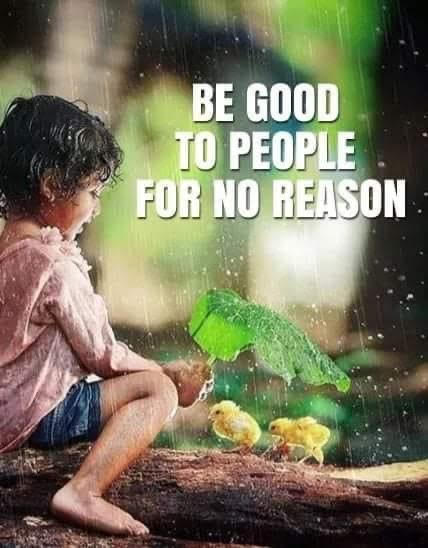
What is on my mind? Well, it is a rainy Saturday in Paris, so I will spend some time on JAYSPEAK. I really enjoy this blog and these weekly posts. They are changing – as I change – and we are not sure where they (or I) are(am) going. But I am feeling happy, for some reason. I am not sure why. I am – and have been – working on feeling happy for no reason. It takes work. Haha. I am used to feeling sad and depressed and lonely and……. I think I was hoping for youth to return, e. g. things lost forever. Never to return.
I am now loving that I am still alive. I am dreaming of a soul mate. I am dreaming of vacations in the South of France, and Britany and Normandy. I am dreaming of staying in wonderful hotels with facilities for the handicapped. Yes, I have accepted that I need certain things that I will need in my search for where I can stay. Such as What?
No stairs. Handles in the shower. Easy access into the shower. Dining room with excellent food, good service, and no stairs (in case I enjoy the wine too much.). Sea views from patios without stairs. Hopefully a heated swimming pool with easy access. I have started my searches and those places exist. Apparently, I am not the only person still alive who wants to go to a pretty place with easy access who has problems with mobility. Haha.
Guess what????? BREAKING NEWS. It is not all about ME!!! I have been telling myself a lot – “Hey, it is not all about YOU!” I was so used to taking things personally (part of my Southern training), I have learned the hard way …. It is not all about me. Yes, I have certain loves and buttons that people seem to “push”, but I am better. It is not all about ME!!!
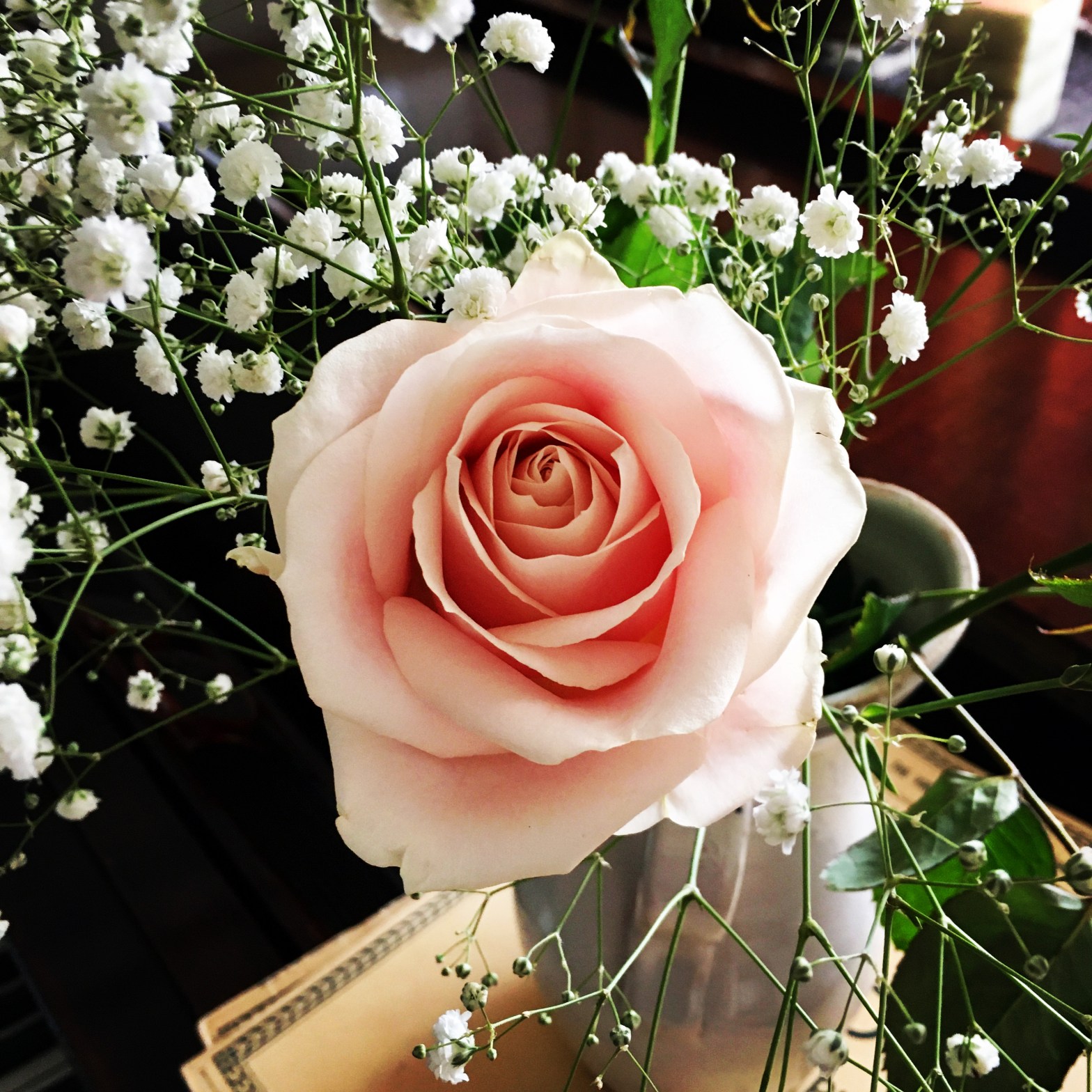
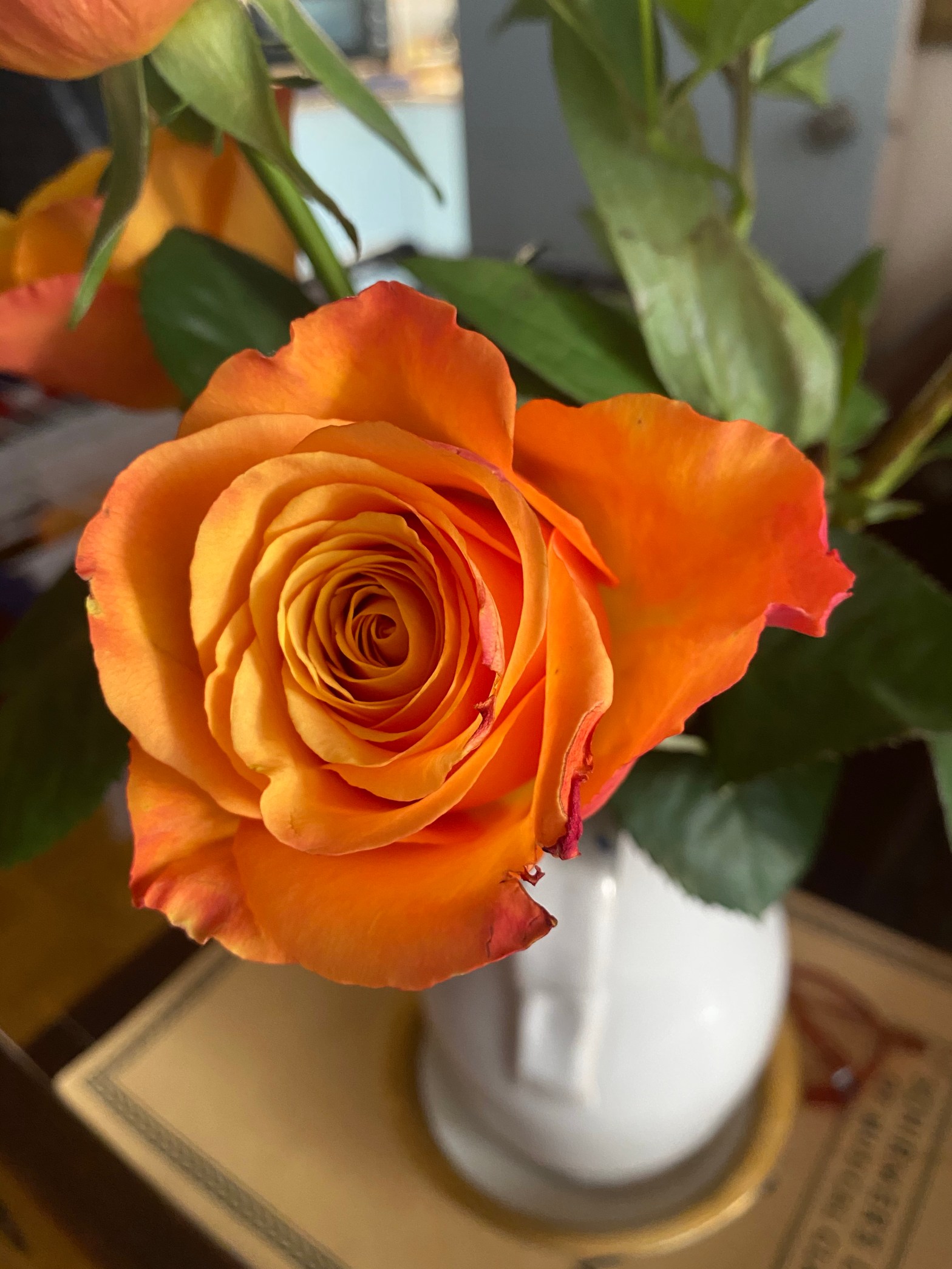
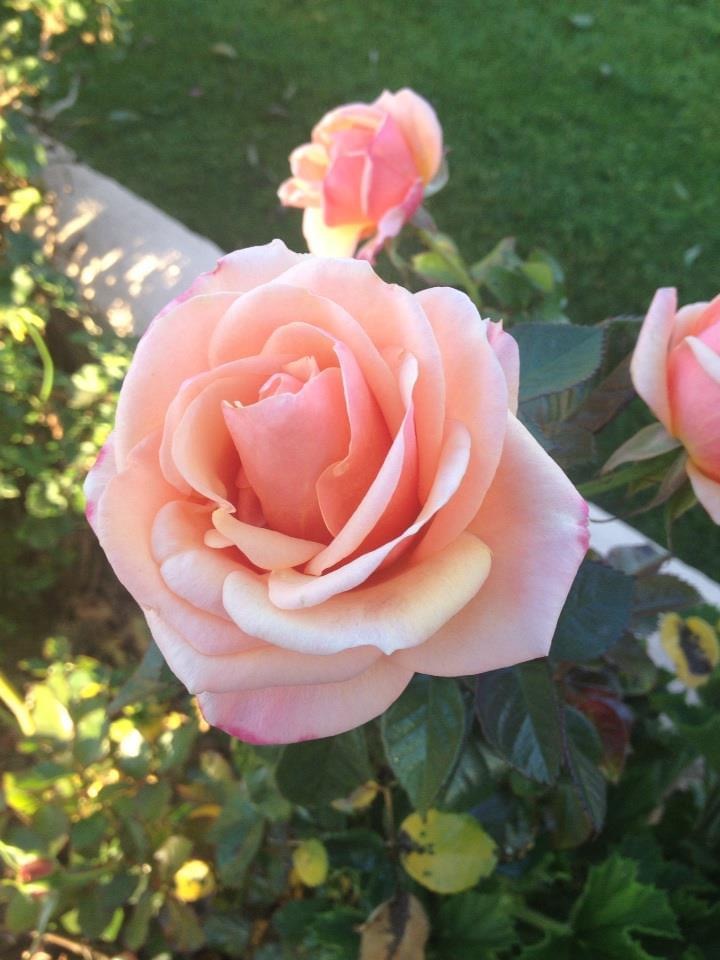
I am happy the landlord helped me find someone to fix my patio door (even though it was expensive. It is FIXED. HEY, IT WAS WORKING WHEN I MOVED IN!). I am happy that I got an appointment for a vaccine next week. I had an appointment to get Astrazeneca today and canceled it for Pfizer next week. I am happy I have pink roses on the piano. I am happy I have fresh tangerines and blueberries for my muesli for breakfast. I am happy my coffee maker makes good coffee. “Little Things Mean A Lot”. Remember that song. I am happy I can taste and smell. And on it goes………
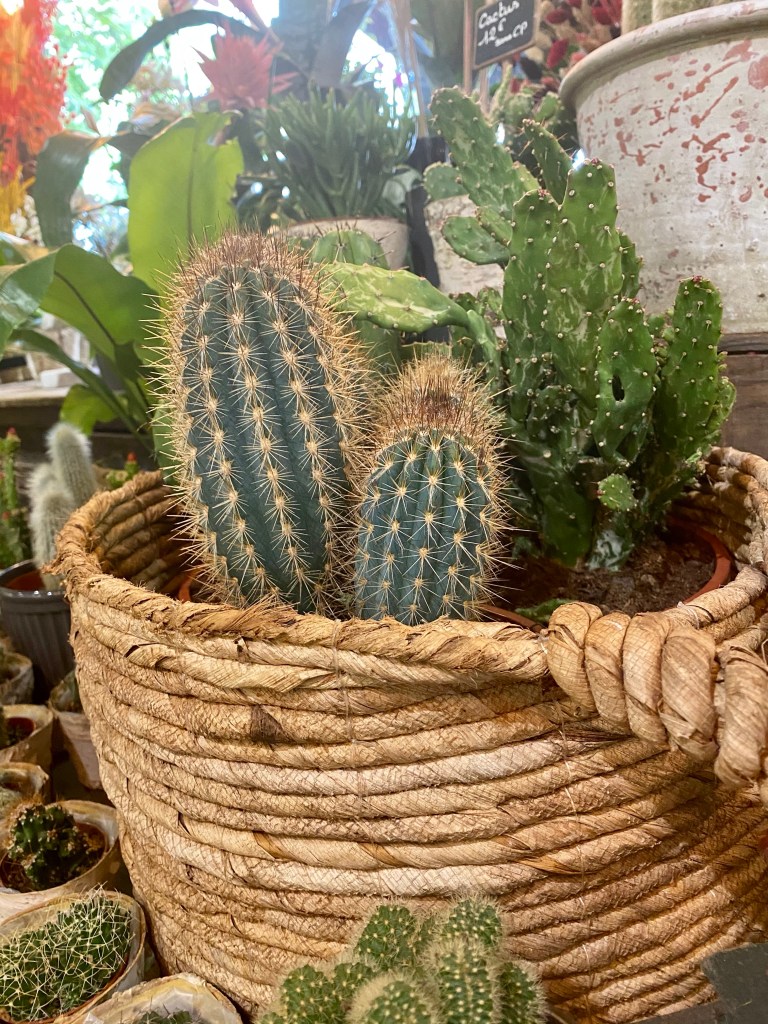
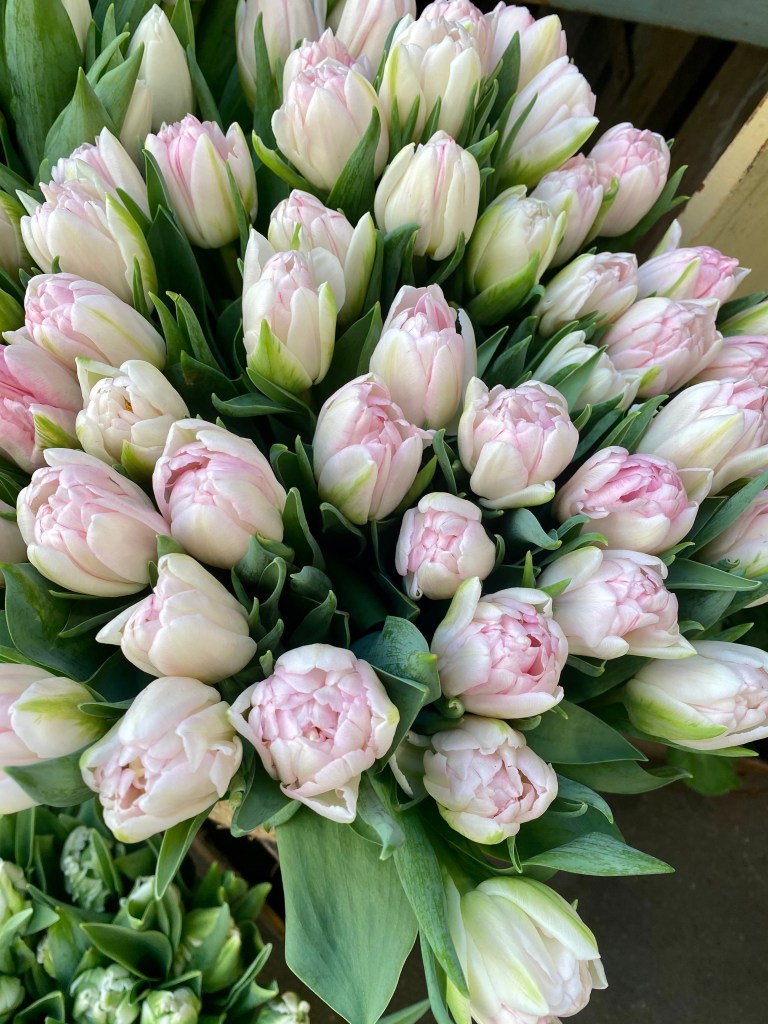
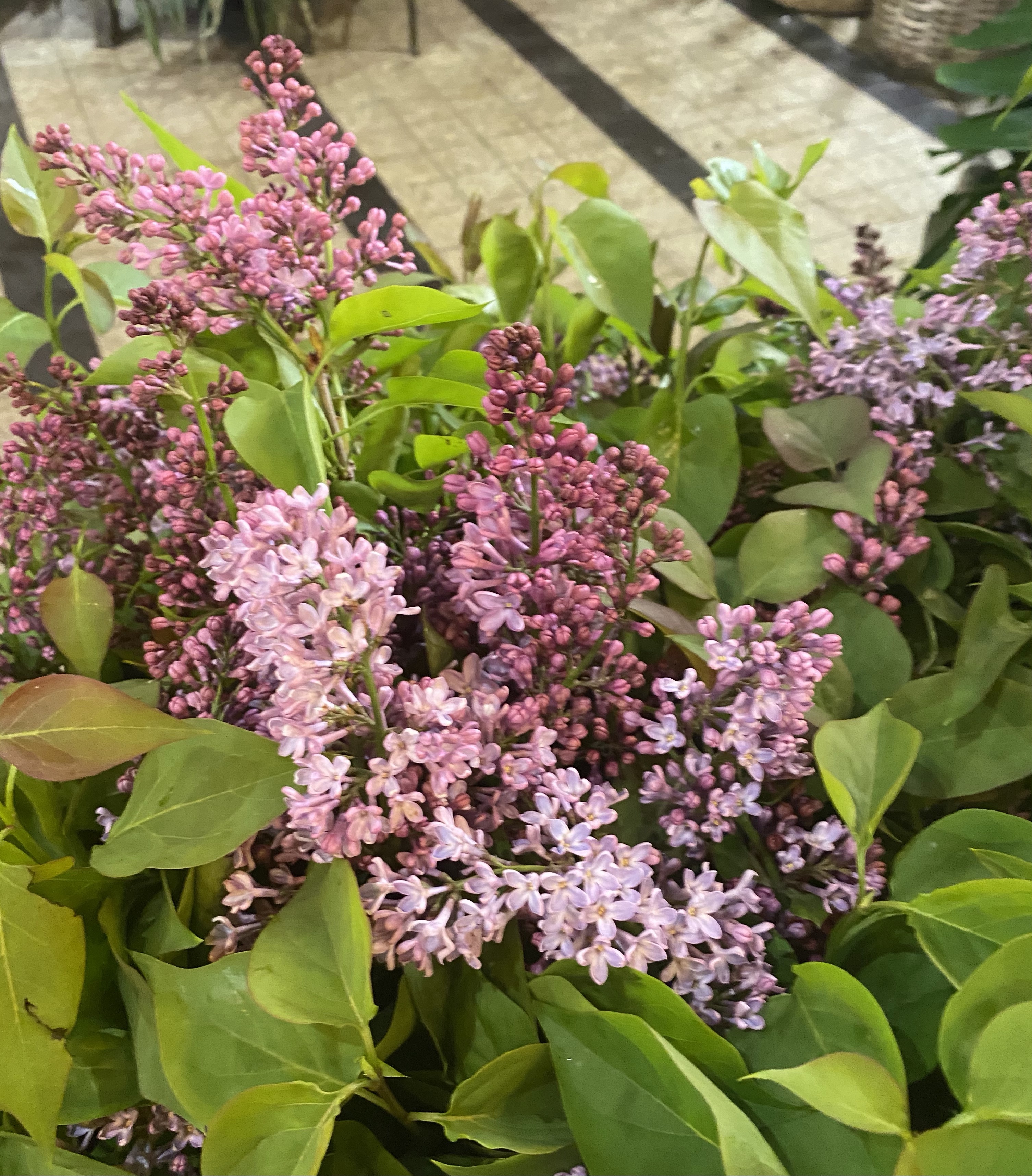
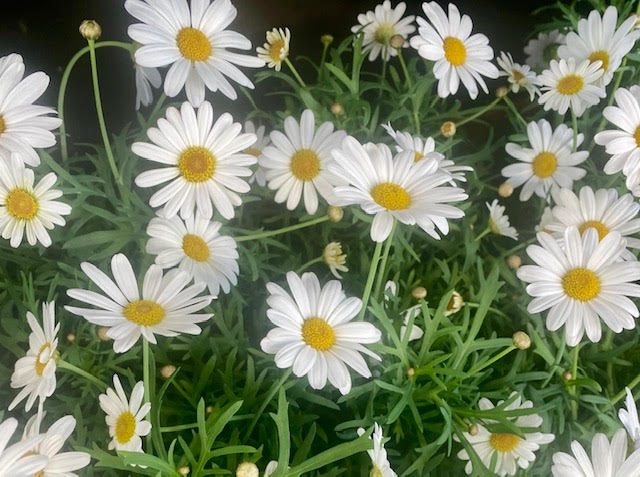
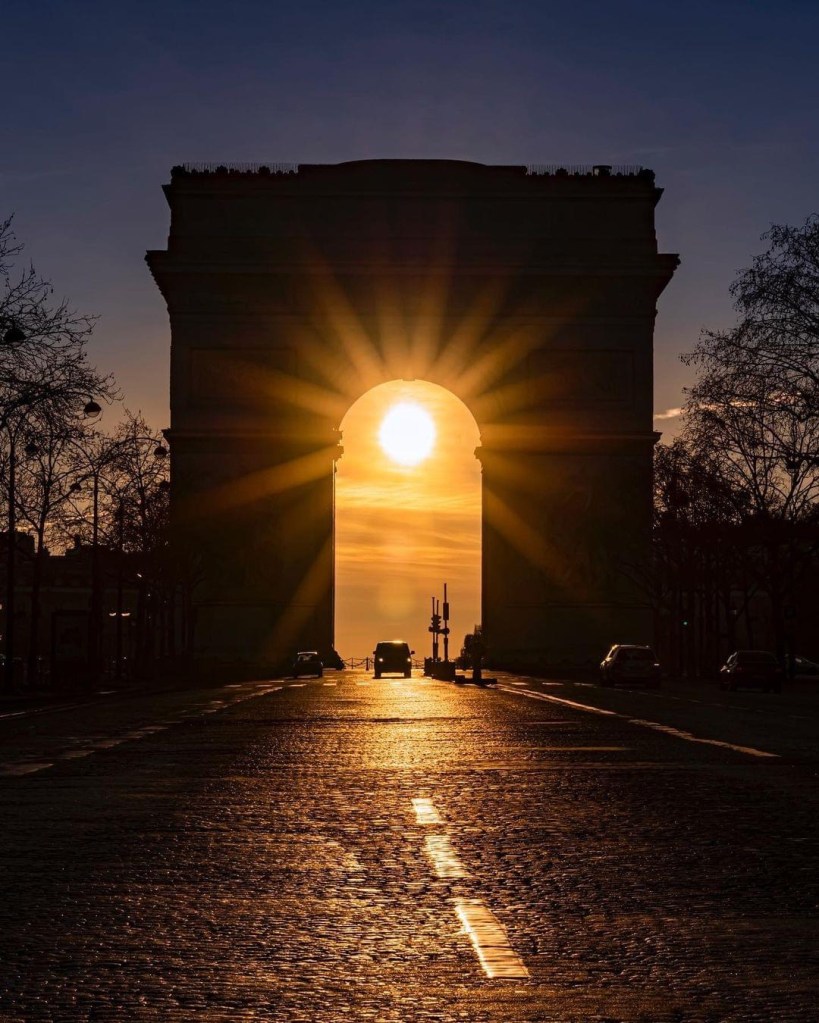
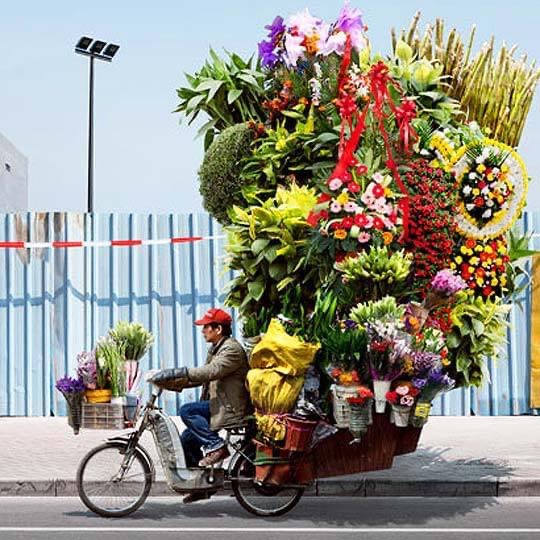
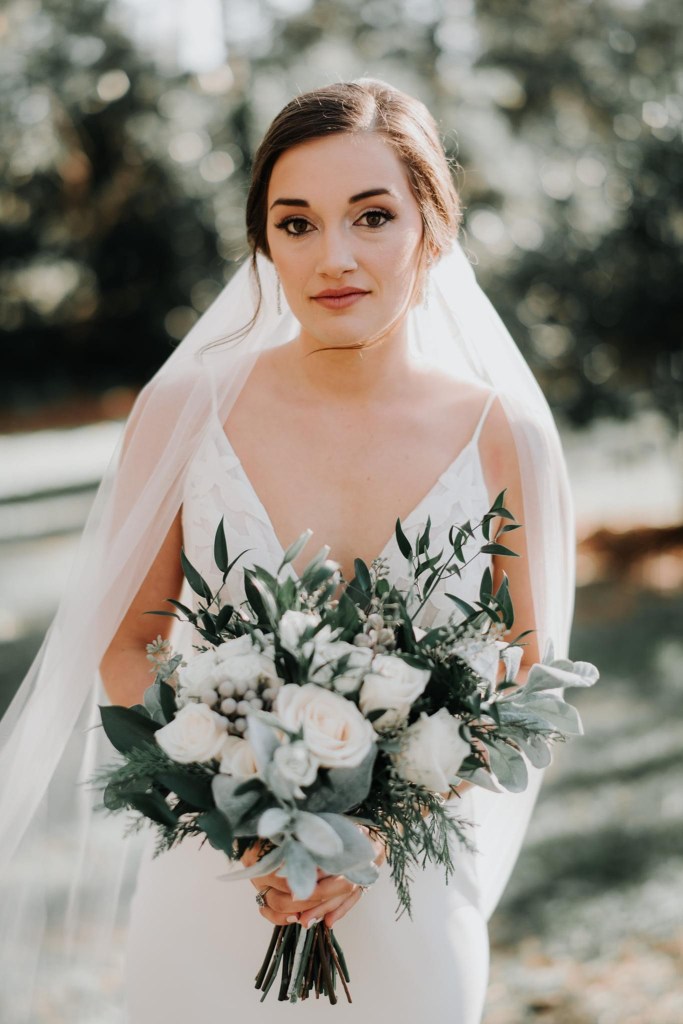
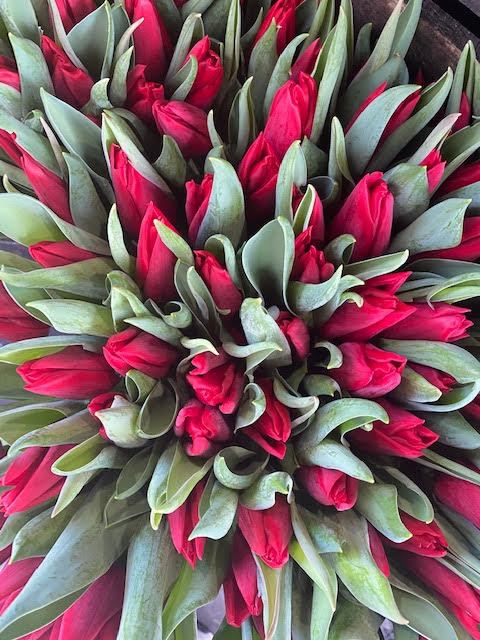
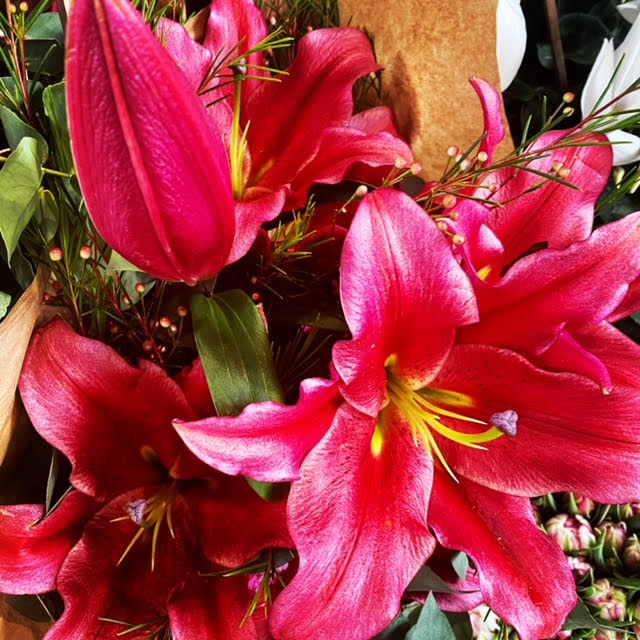
My photos have changed. Not as good as before (I don’t think.) I don’t take as many. It is awkward to set my cane down (when I am out) and use my hands with a camera. I did take some on Friday. Here are several. I was surprised to see so many different kinds of flowers. Seasonal. Lots of peonies (April and May), cacti, lilacs, rhododendrons. And, of course, roses and tulips. They now know me in there and do me a bouquet of 3 roses with greenery for 11 euros in a bag that is easy for me to carry with my cane. They immediately offer me a chair so that I can wait while they prepare my packaged flowers.
I used to hate that I needed to sit. Now, I sit and try to focus. Still dizzy (for those who don’t know, I have had problems with brain strokes ((“vascular accidents”) in the last 3 years and am working with my brain)), most of the time. It was caused by high blood pressure. Don’t let that go untreated. I did. Ugh. Brain strokes usually don’t kill a person, so I don’t let that stop me. I have good doctors. AND as long as I am alive, there is hope for healing, and I am definitely getting better. I am learning a lot about the brain. Wonderful!!! And, people help me everywhere I go – the Pharmacie, the market, the florist, La Poste. (Restaurants and Cafes and Shops are not open at present.)

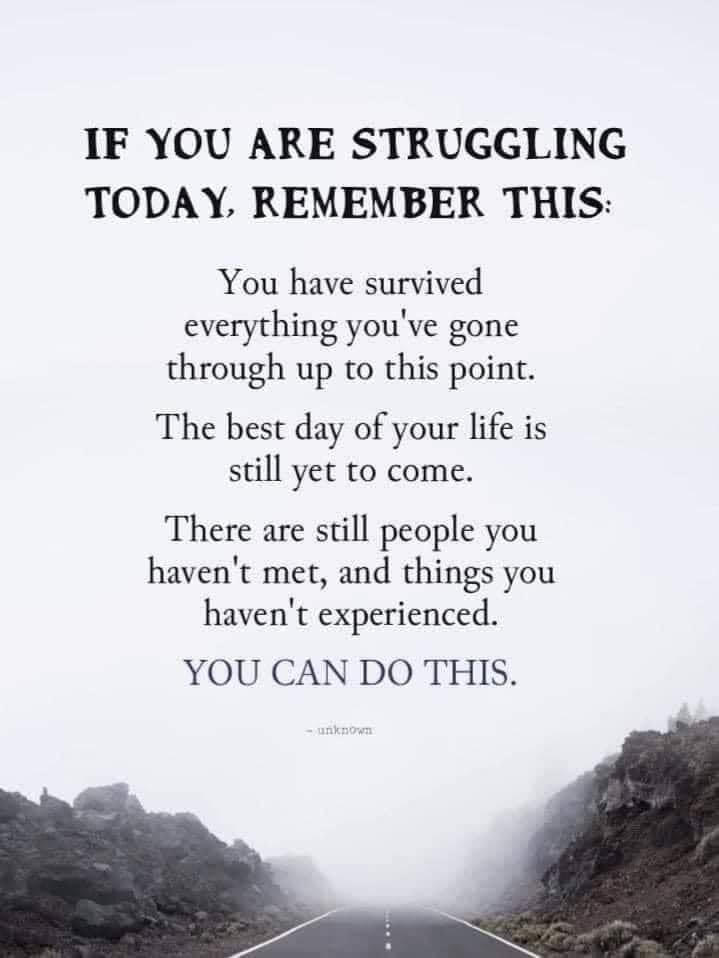
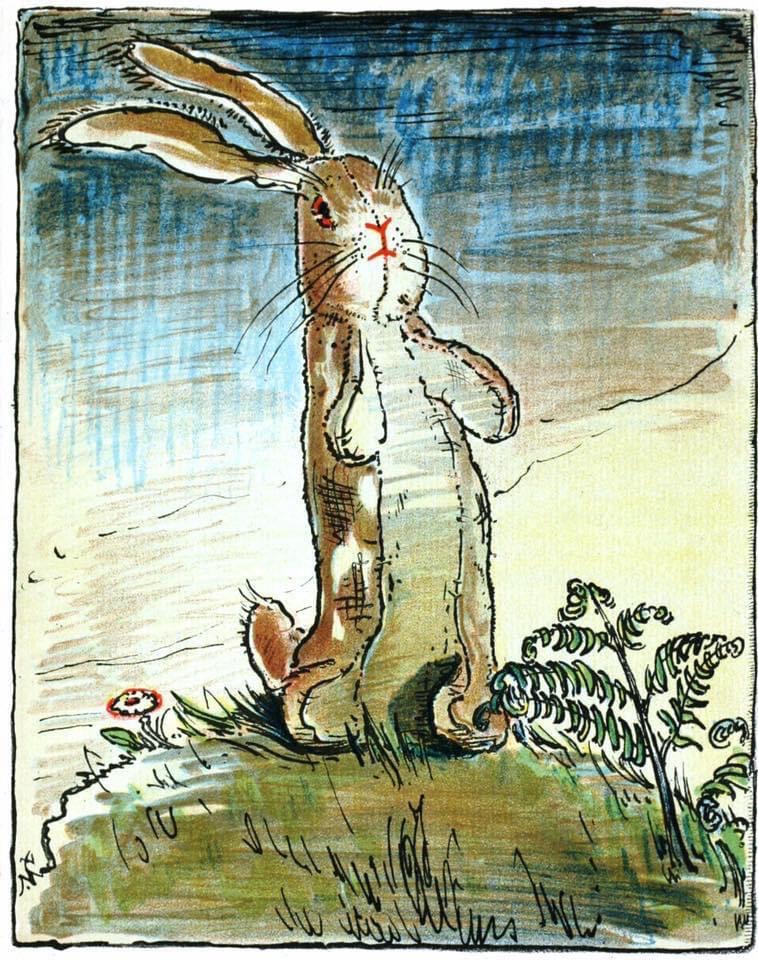
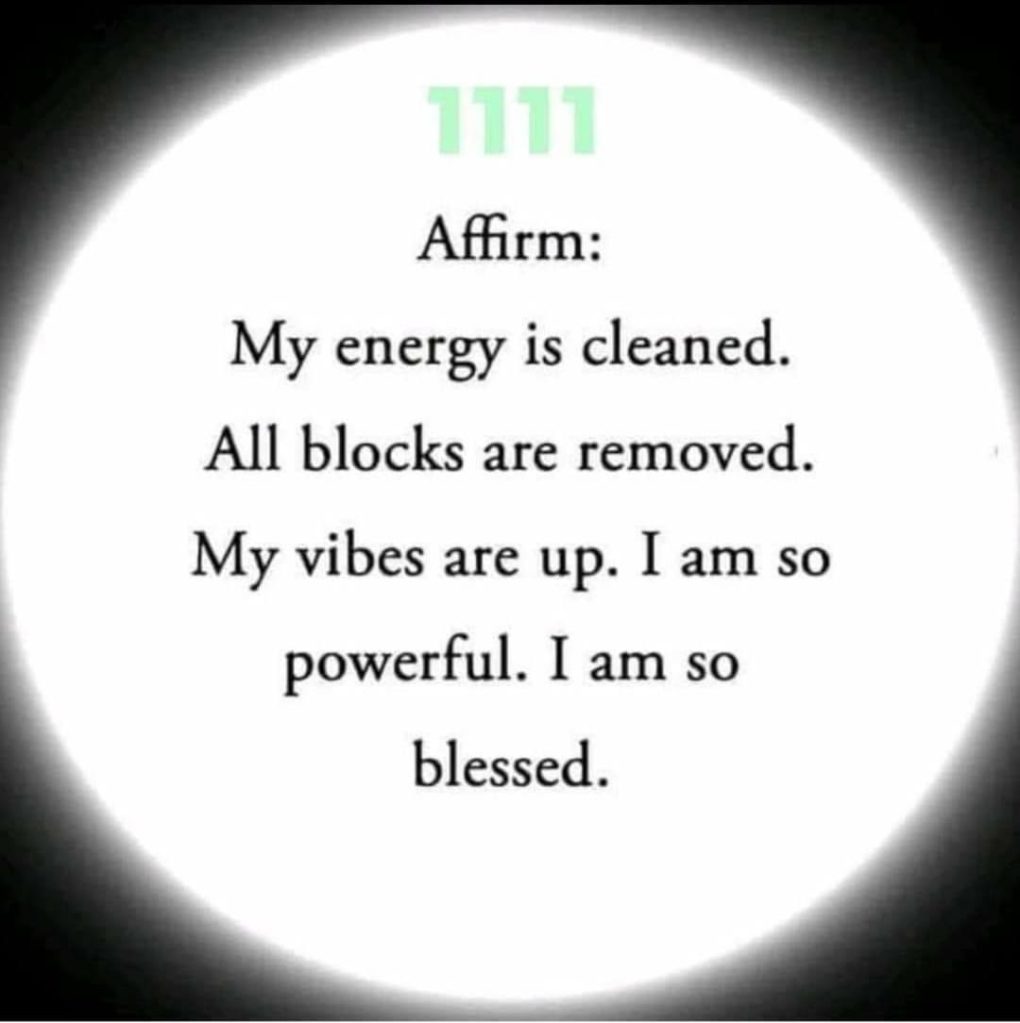
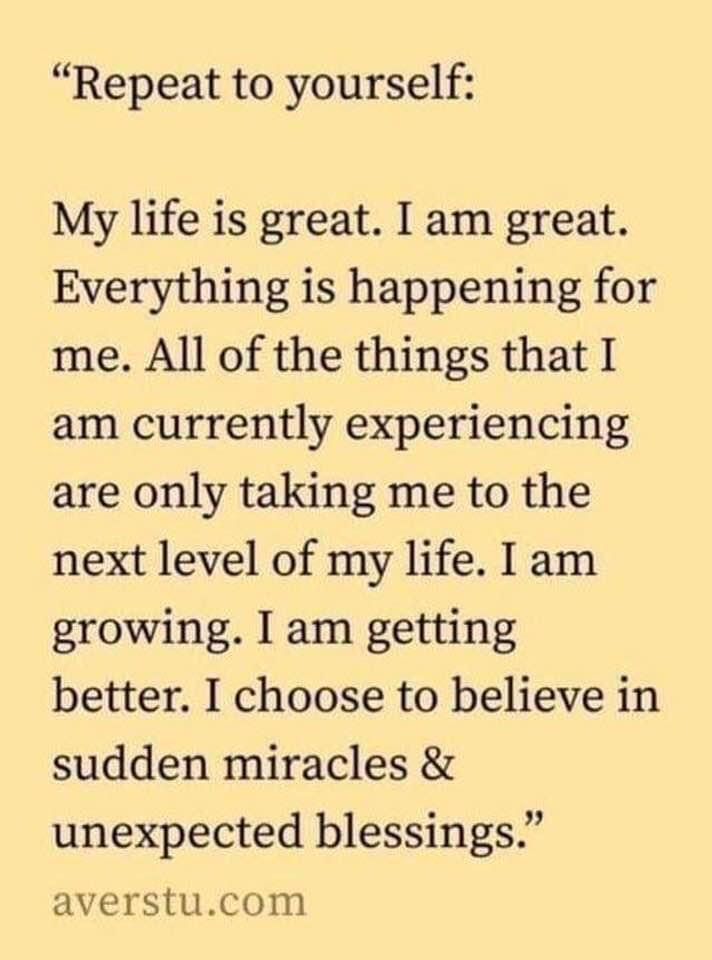
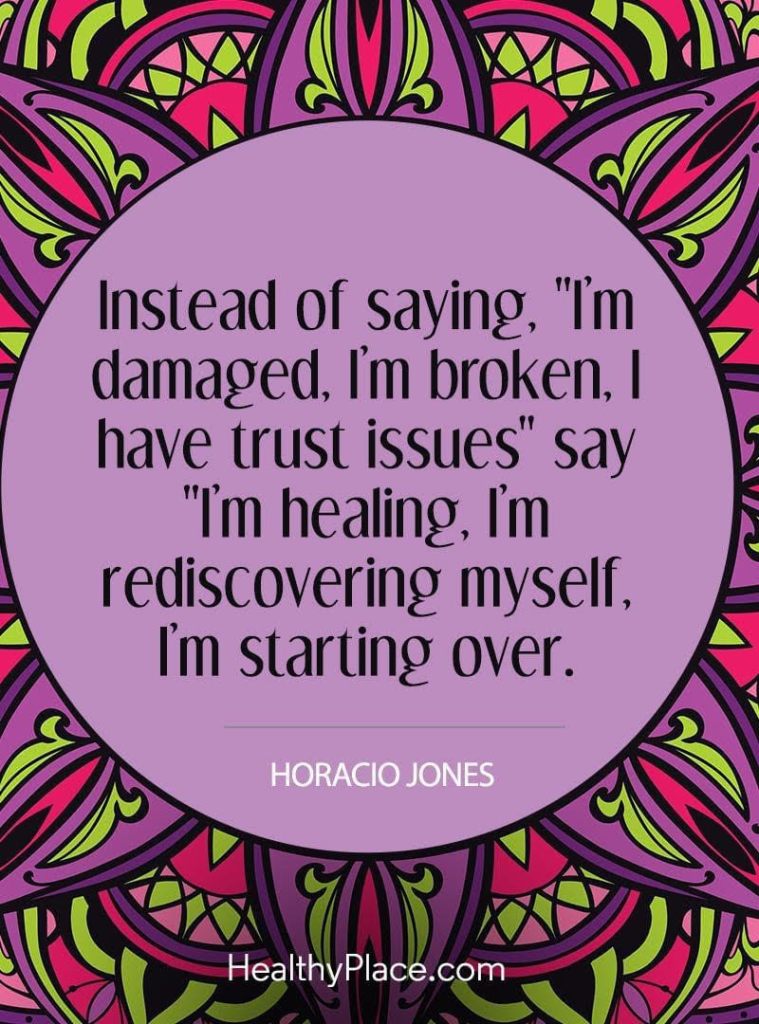
Guess what!!! BREAKING NEWS!!! They value “the elderly” in France. They do what they can to keep you living “at home” and comfortable. Well, I have been so independent in my life, that I am still learning the hard way. So, some pretty photos TAKEN BY ME, and some memes I like. Then, the Closer. An edit from “The Velveteen Rabbit.” I had that book for years, along with “Siddhartha” and “Jonathan Livingston Seagull.”


And now – the Closer! I love this.
“You become. It takes a long time. That’s why it doesn’t happen often to people who break easily, or have sharp edges, or who have to be carefully kept. Generally, by the time you are Real, most of your hair has been loved off, and your eyes drop out and you get loose in your joints and very shabby. But these things don’t matter at all, because once you are Real, you can’t be ugly, except to people who don’t understand.” – Margery Williams – “The Velveteen Rabbit.” artwork photo by – William Nicholson #ravenousbutterflies #margerywilliamsbooks #williamnicholsonartist #velveteenrabbit–
BEST, JAY

SUPPORT JAYSPEAK
$30.00




































 JAYSPEAK