THE WISDOM CAFE

Wisdom Cafe Header

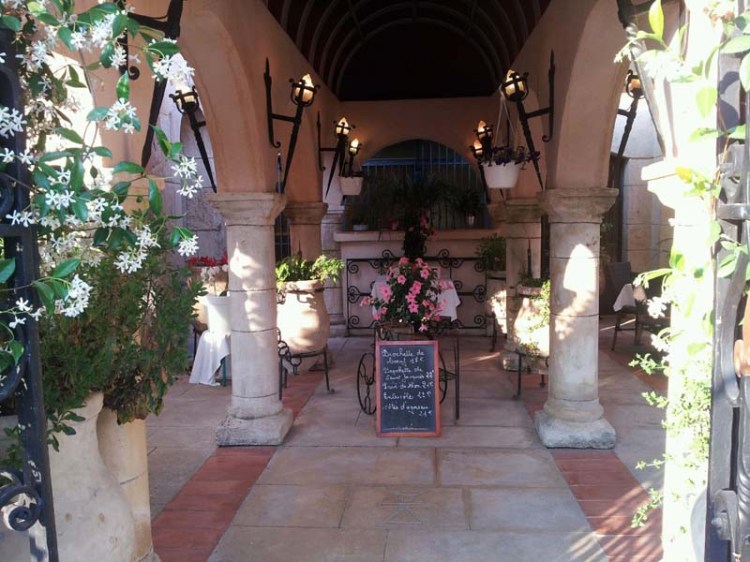
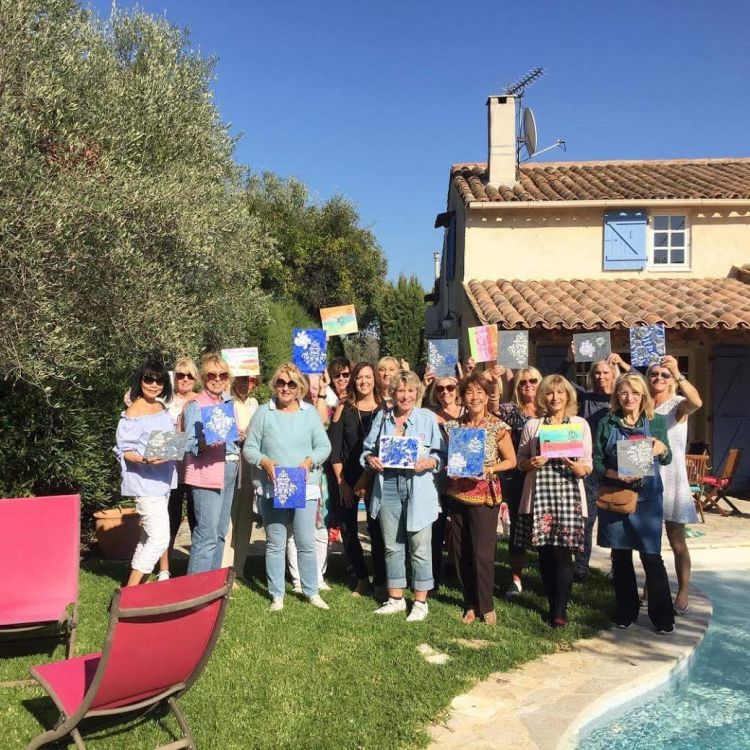
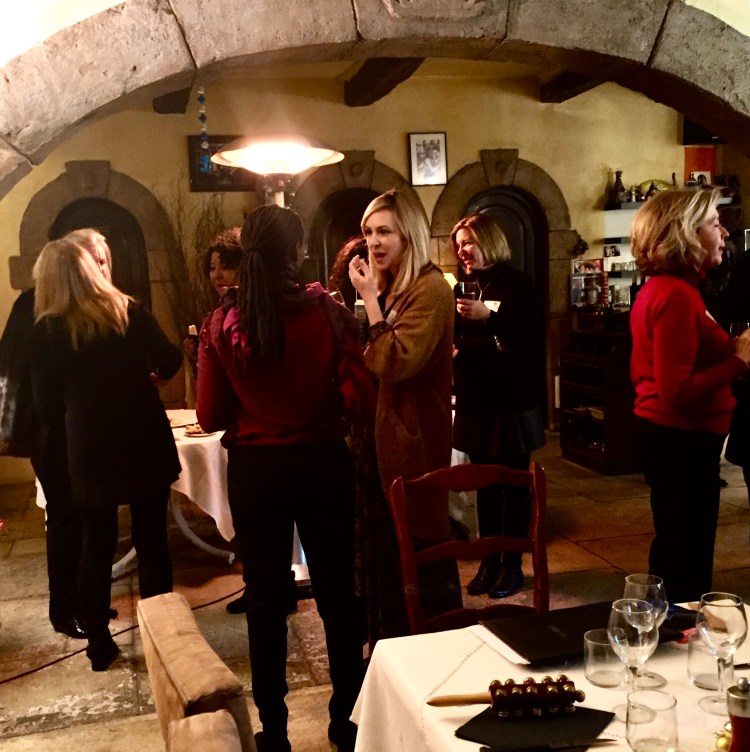
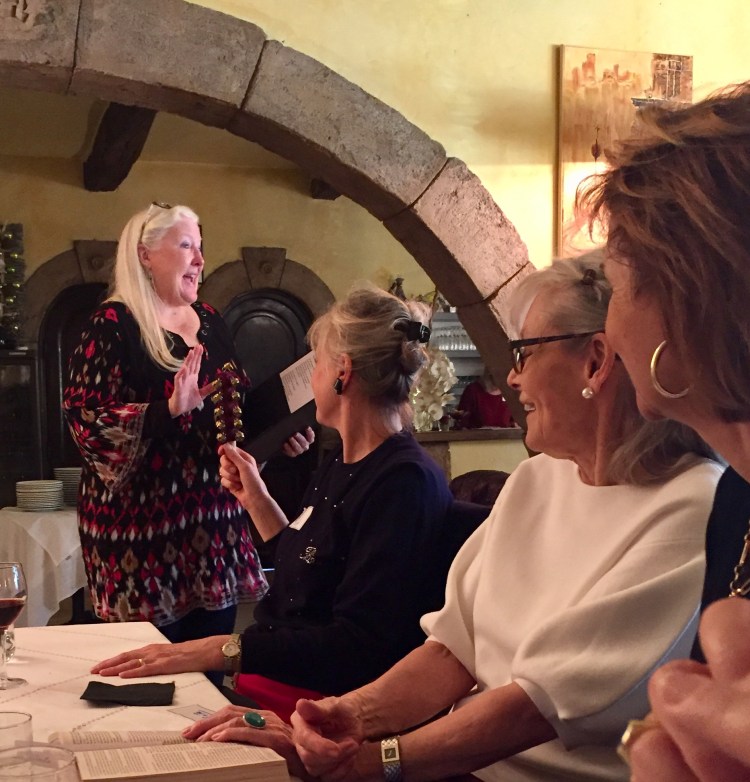
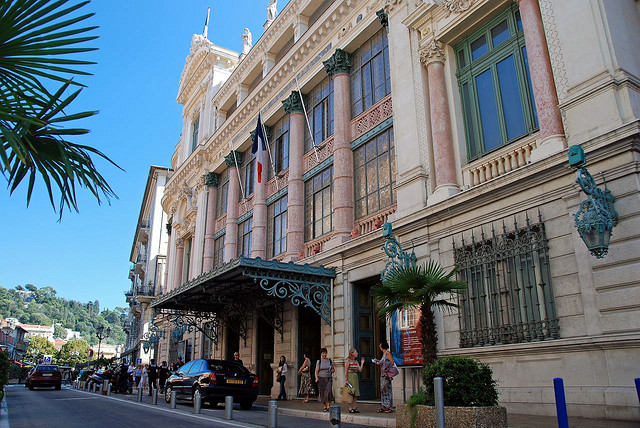
The Wisdom Café is a made-up name for a group of women – all ages, all nationalities – who meet twice a month at a restaurant, Les Pierres Rouges, in Valbonne, France.  Wise-wannabe’s attempting to solve life’s problems. (Haha. We wish.)

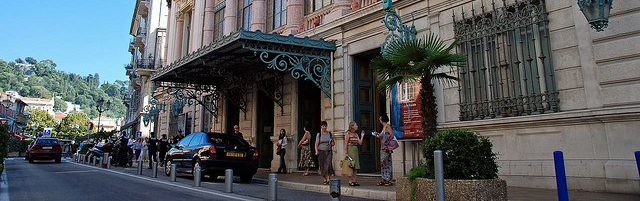
pierre rouge entry


WISDOM1.jpg

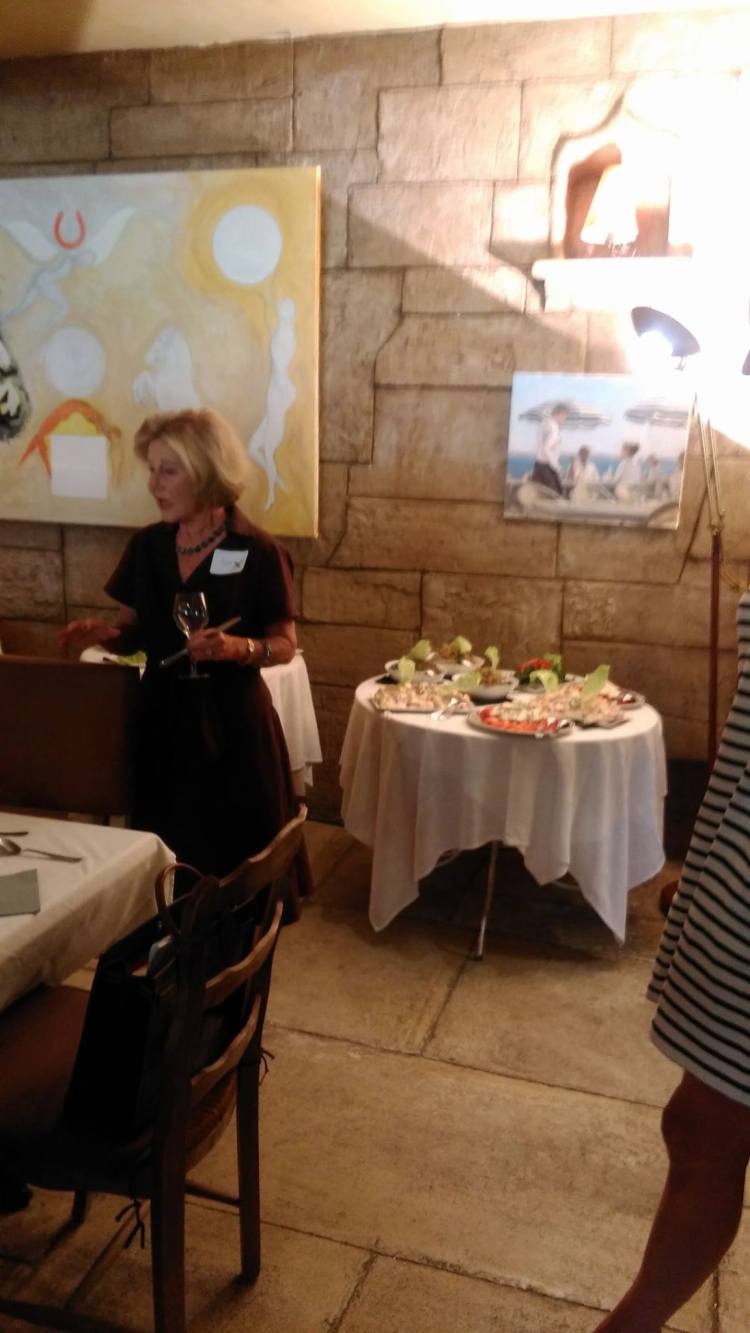
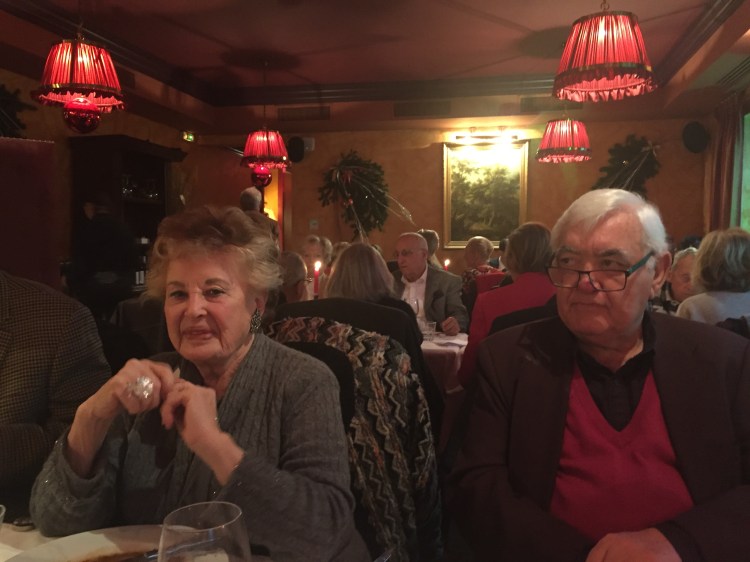
It is fun!  Twenty or thirty women who live in the South of France talk, laugh, eat, and listen to some sort of program – usually a talk by Sara Randall, the “organizer”.

Sara

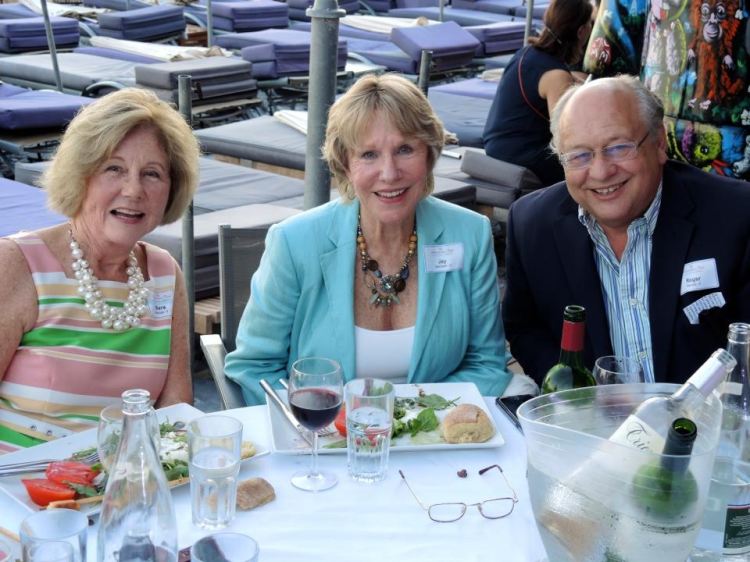
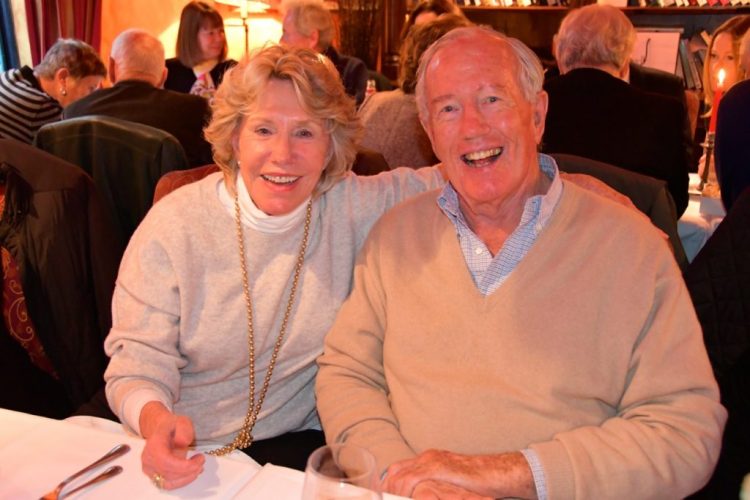
I have been going since October. Sara invited me at the American Club‘s July 4th event at Castelplage.  My assigned seat was between her and her husband Roger.

4thJuly2017ACR-19

Sara’s great! She is from Houston, Texas, with a great personality!  I don’t know how she got all of these interesting women together, but she did.  Cy Todd helped.  Cynthia “Cy” Todd is an organizer’s dream-come-true.   She can organize anything.   At the same time Cy is organizing things, she is singing in different venues all over the South of France while traveling throughout Europe.  Well, that is somewhat of an exaggeration, but she does a lot of different things, seemingly at the same time.  I am impressed.  Sara lives in Valbonne.  Cy lives in Nice.  Together, they get women to come to the luncheon from all over.  I am still learning names, faces, and countries. 

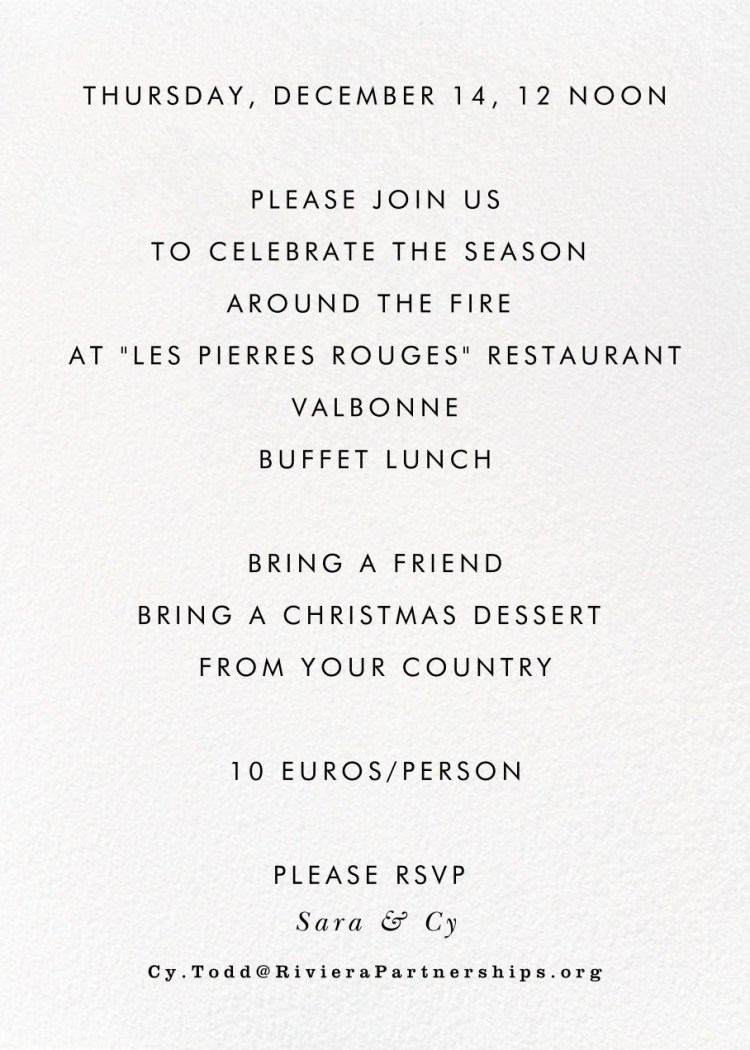
Last Thursday, December 14th, was The Wisdom Cafe’s annual “Christmas Luncheon”.

38437132c0d4ab551e236224cf062656-20-102143057

My new friend from Los Angeles – Joyce Marshall – and I drove to Valbonne for the party. This is Joyce.

Joyce

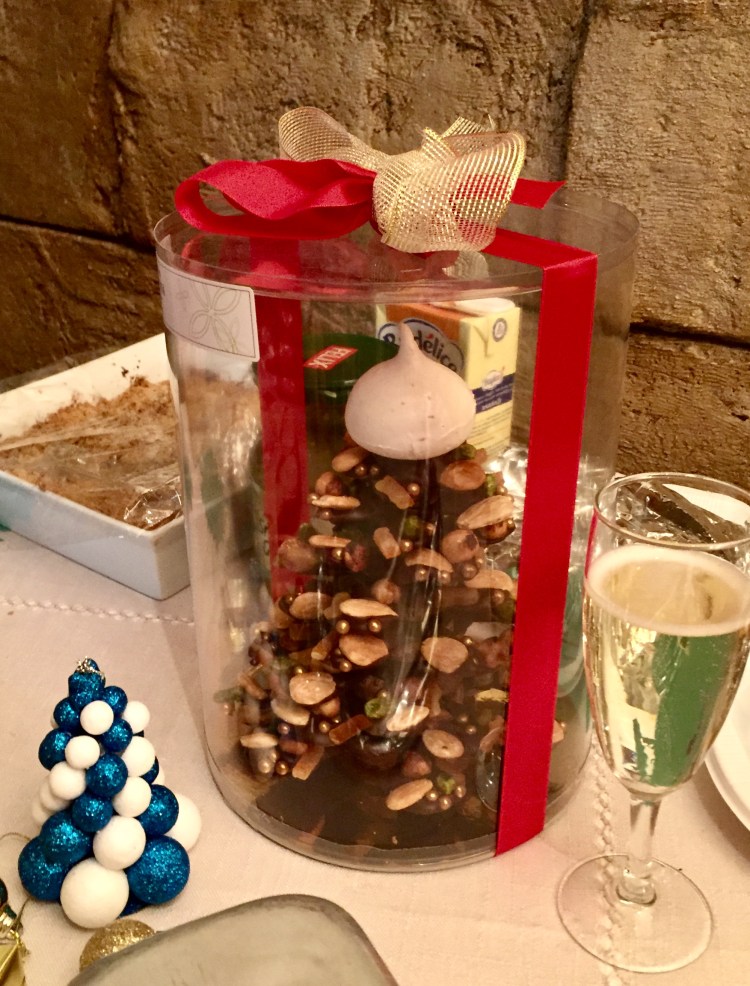
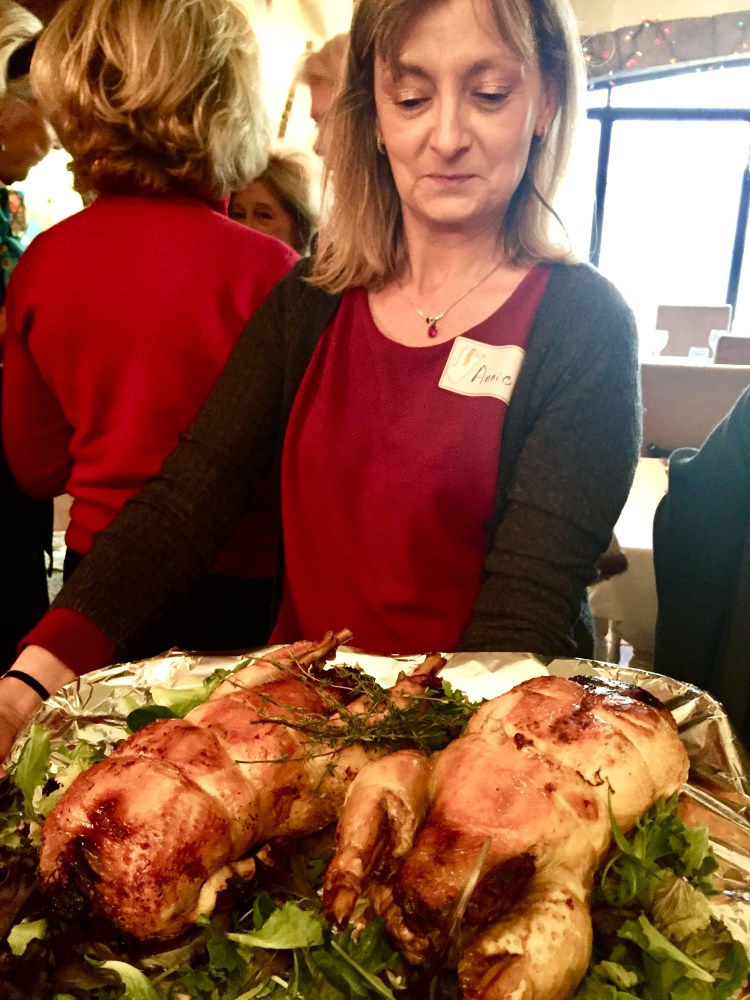
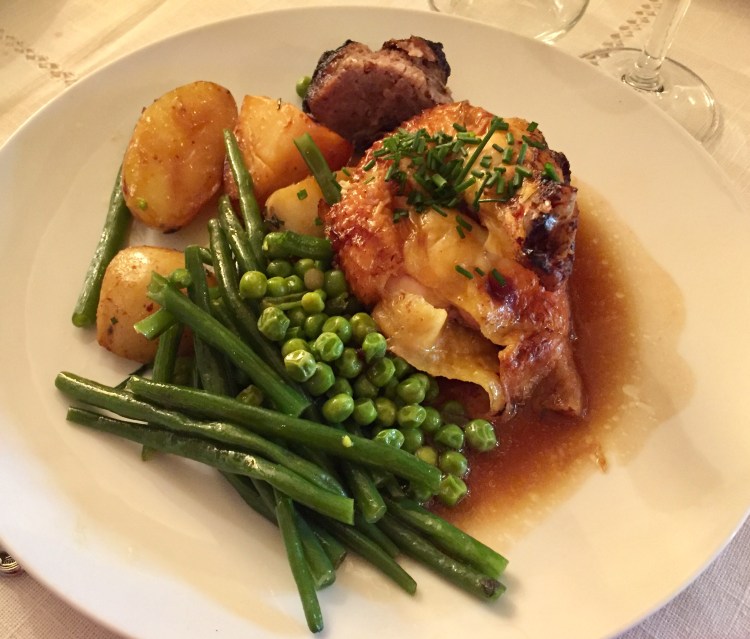
Everyone had an assignment – bring a dessert from your home country. Yum! I took an apricot tart, saying we have “tarts” in the U.S.  OK, so they are French.  I should have made an apple pie or Mother’s boiled custard.  A lemon-cheese cake or a caramel cake would have worked – IF I were willing to cook.  (Sigh)  

IMG_0477

IMG_0470


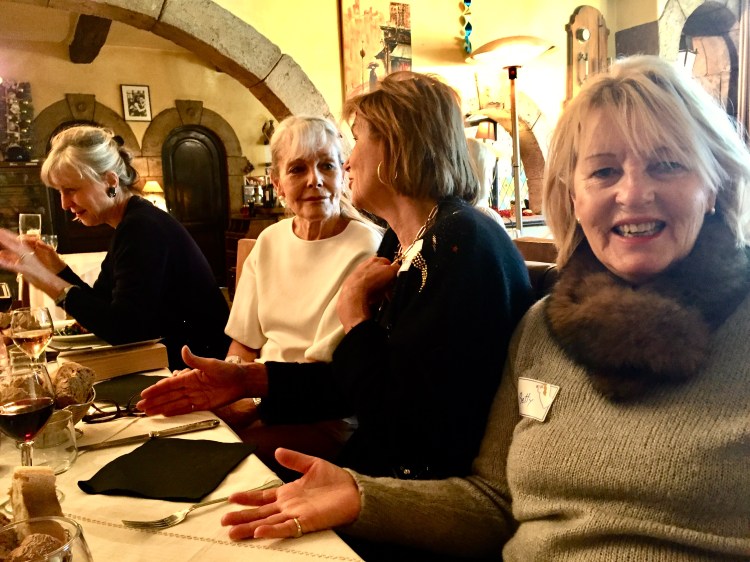
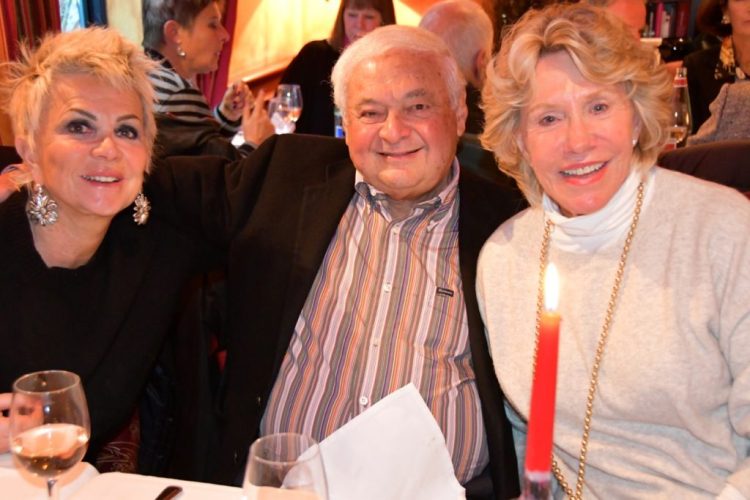
I sat between Betty (from the Netherlands, living outside of Antibes) and Val (Valerie, from the U.K., living in Cannes, spending years in Australia, traveling around the Mediterranean for three years with her husband and son on a boat).

IMG_0478


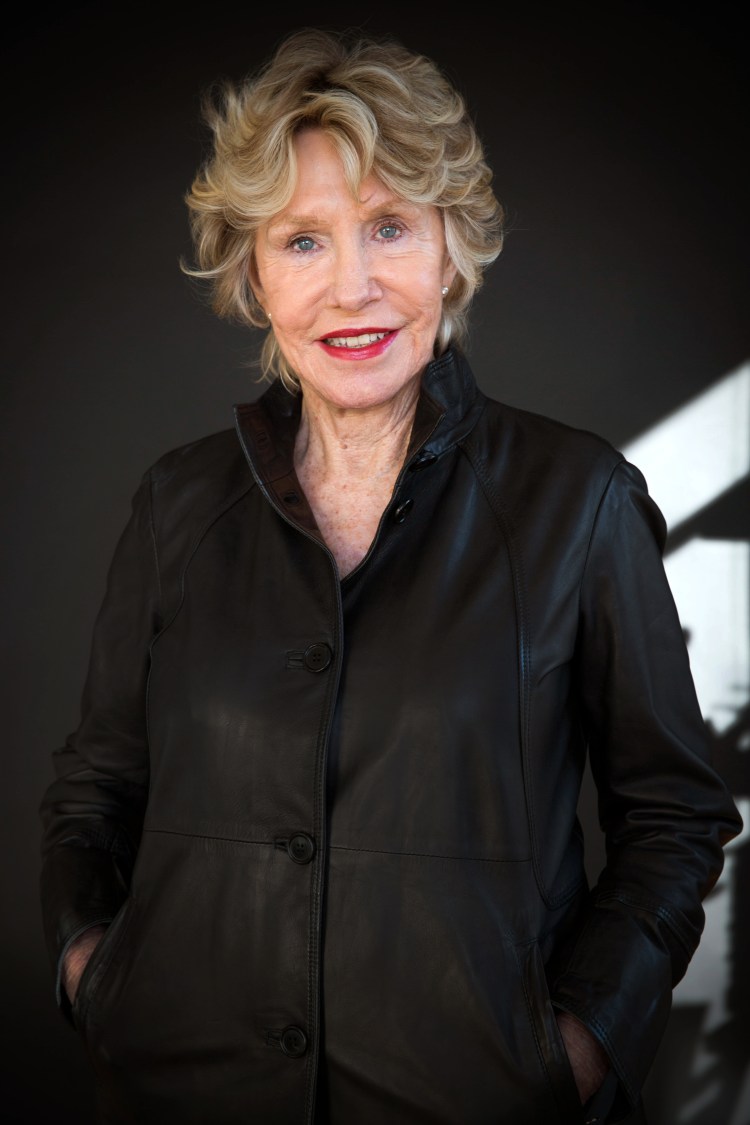
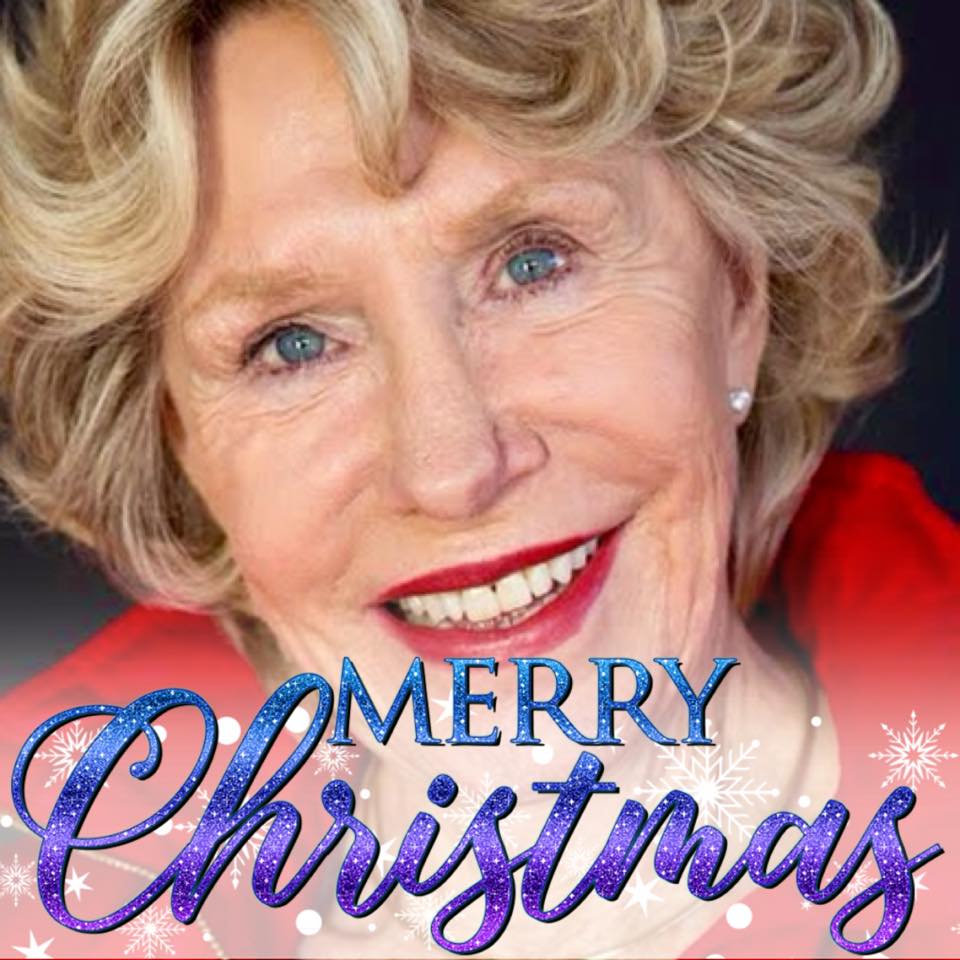
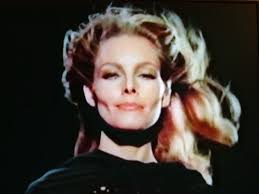
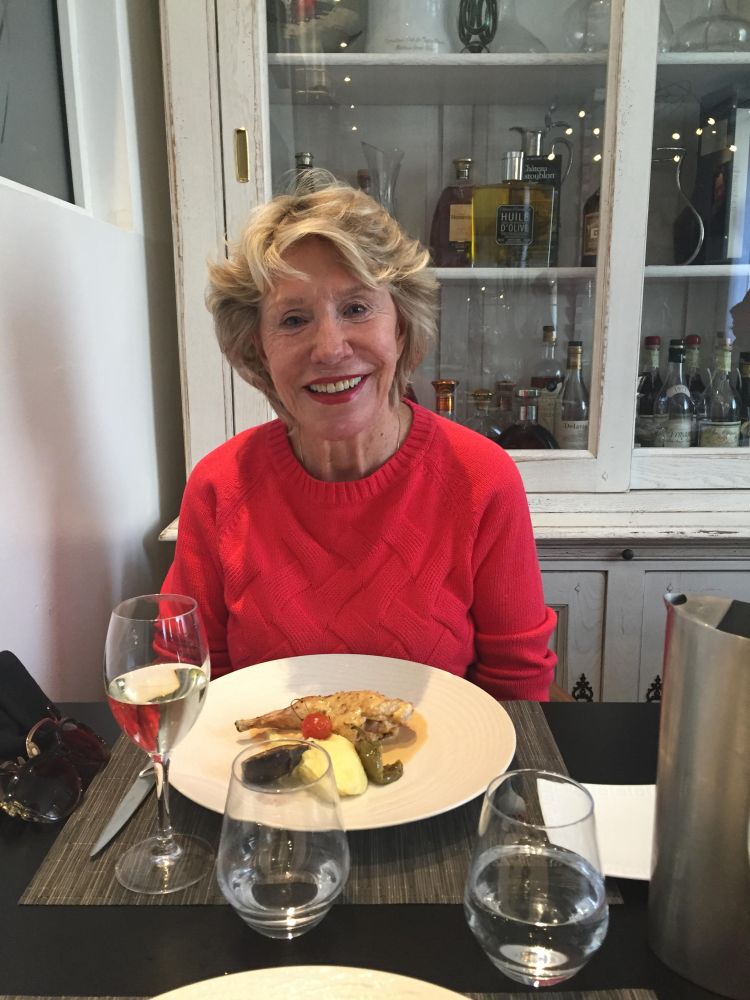
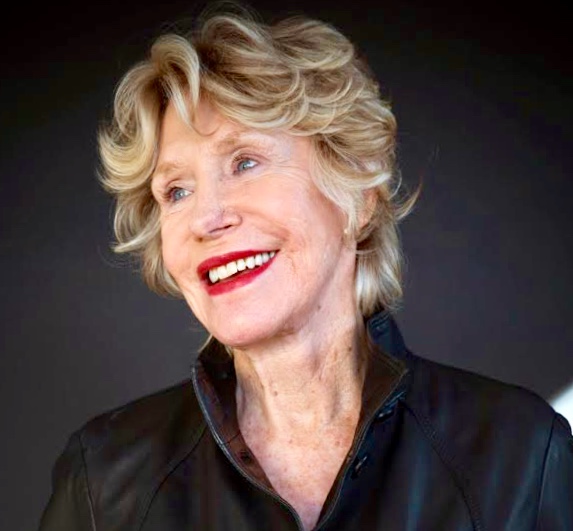
Also, at my table at the other end was an actress who studied with Lee Strasberg.  So did I.  We compared notes.  Her professional name was/is Anita Strindberg.  I don’t know what country she is from, but I will find out.  She now lives in Valbonne.  This is a headshot of her that I found on the Internet.  Isn’t she beautiful.  See what I mean?  

Anita Strindberg

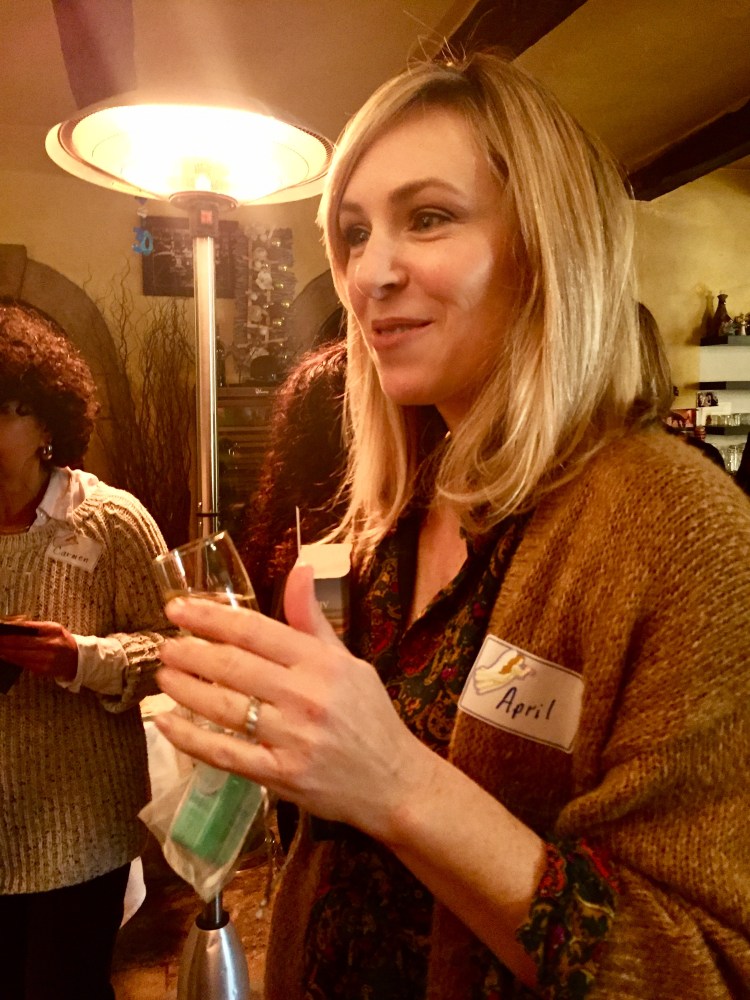
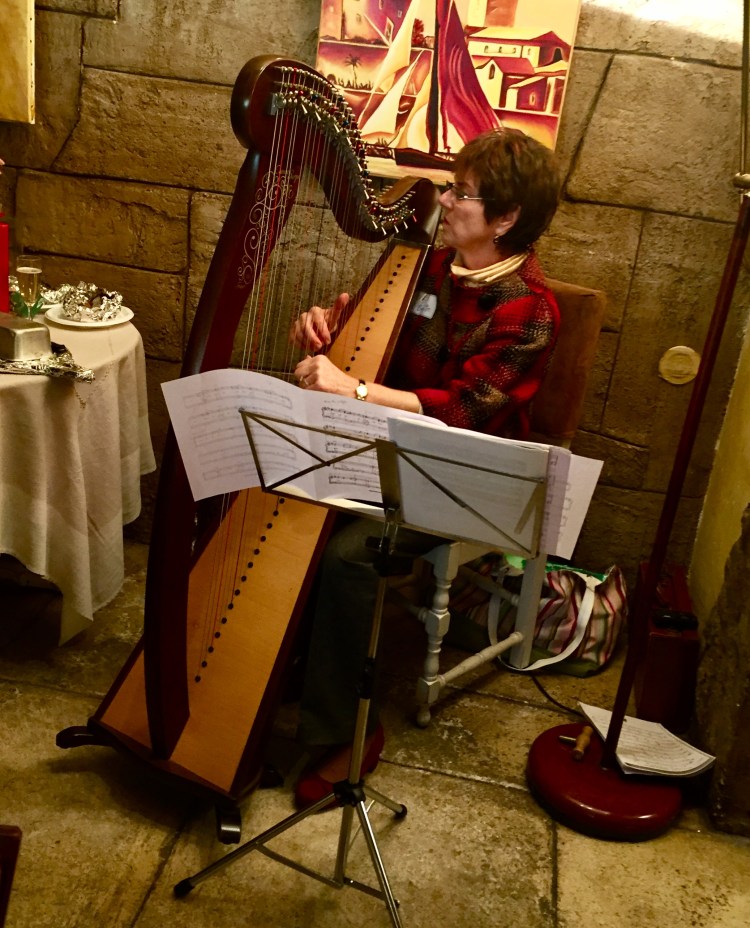
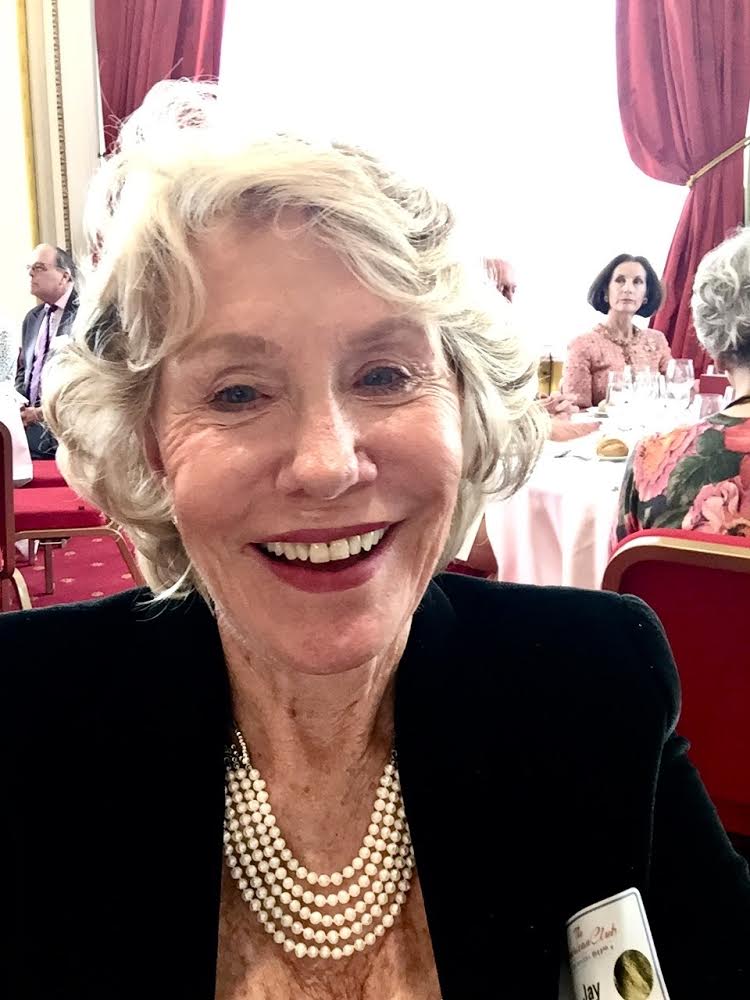
In the photos, I have tried to capture the fun of the event.  Usually, I am not one for luncheons with a bunch of women.  This one is different.  Probably because most of us are expats from somewhere in this crazy-mixed-up world.  Fate has brought us together at this point in time in a small restaurant, run by Annie and her husband (I think), in the South of France.  Here we are, laughing and having fun with each other for a couple of hours, twice a month.  It’s a special moment in time, now recorded on JAYSPEAK.  Enjoy.


IMG_0471IMG_0473IMG_0475IMG_0480IMG_0485

IMG_0481

Best, Jay

IMG_0654


Opéra Nice Côte d’Azur

European Opera Houses have always had a special place in my heart!  Handsome men with top hats and tuxedos. Women in long gowns, wearing furs, jewels, and long gloves. Arriving in carriages.  OK, I saw lots of movies and read Dickens.  That said, I was one of the first to sign up for the American Club of the Riviera’s December Event – GERSHWIN at the OPERA Nice Cote d’Azur, on December 9th.
Nice Opera House
 

On Saturday, December 9th, ACR members-only filled the ‘library’ room at Le Grand Balcon for a delicious “before concert” luncheon.  Member and orchestra conductor Cindy Egolf gave the group an interesting talk about “listening” during lunch. I took it to heart because she questioned whether an instrument is valuable if it remains locked in a vault? Like a Stradivarius violin? Doesn’t an instrument’s value come from the beauty of the sound?  If no one hears it, is it valuable?  One hand clapping?  I thought of my Steinway piano, made by Steinway in 1946, sitting in my living room. Is it valuable?  

IMG_0340ACR December1Member and orchestra conductor Cindy Egolf gave the group an interesting talk about “listening” during lunch. I took it to heart because she questioned whether an instrument is valuable if it remains locked in a vault? Like a Stradivarius violin? Doesn’t an instrument’s value come from the beauty of the sound?  If no one hears it, is it valuable?  One hand clapping?  I thought of my Steinway piano, made by Steinway in 1946, sitting in my living room. Is it valuable?

ACR December2

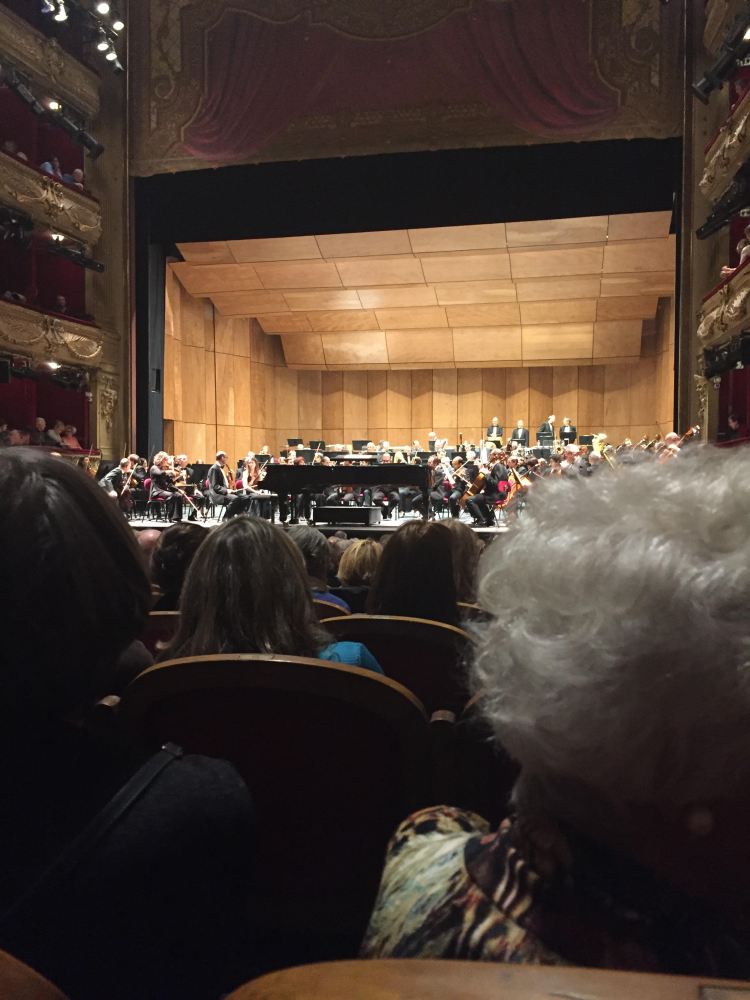
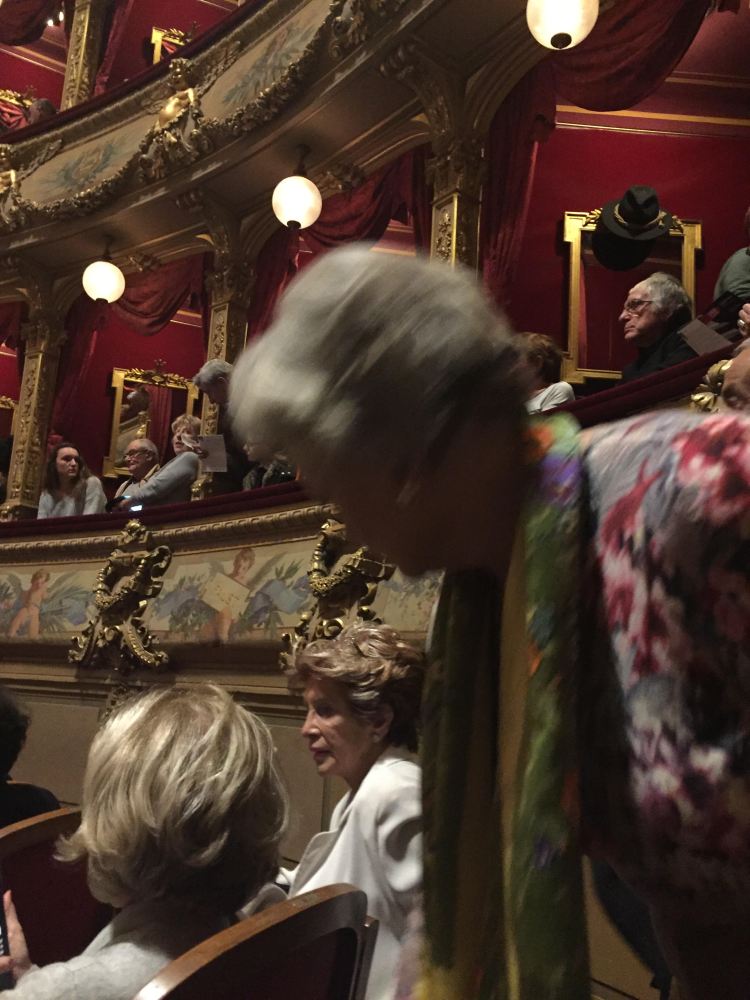
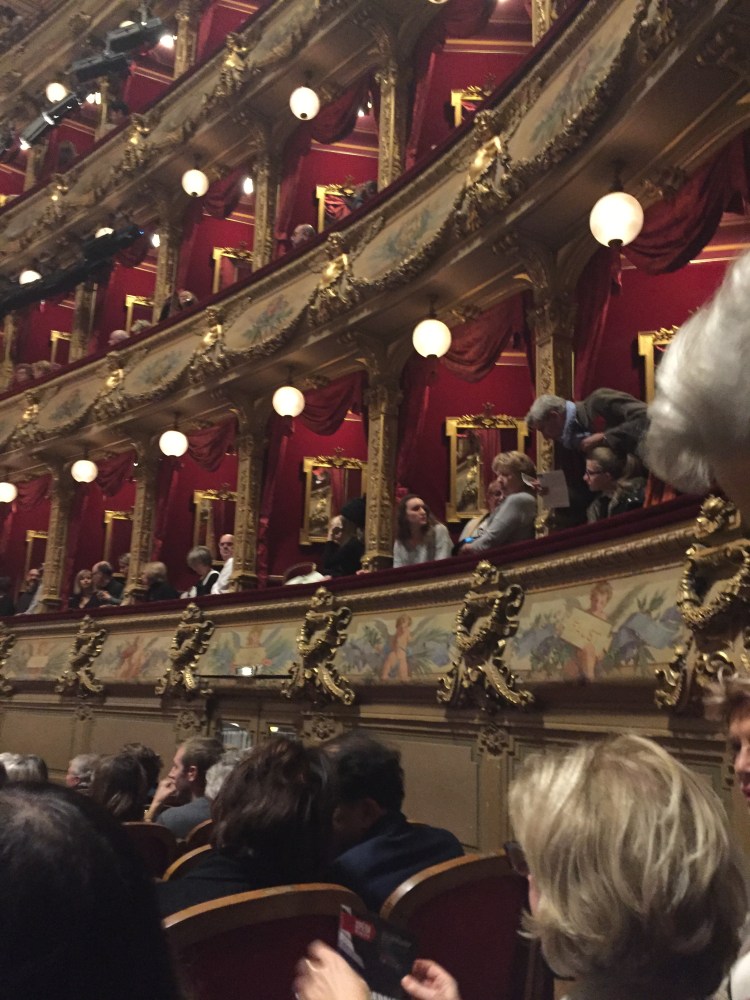
After lunch, we all went next door to the 4:00 PM  matinee of the Nice Philharmonic  Orchestra, playing George Gershwin’s Cuban Overture, Concerto in F,  Rhapsody in Blue, and An American in Paris, at l’Opéra Nice Côte d’Azur. The conductor, György G. Ráth, is relatively new.  He has been with the Nice Philharmonic since September 2017.  He was excellent.  And, I cannot say enough about the pianist, József Balog.  His touch was magic for me.  The combination of the atmosphere with the beautiful music was healing, inside and out.  As his brother Ira wrote, “Who could ask for anything more”

ACR1

ACR2IMG_0347

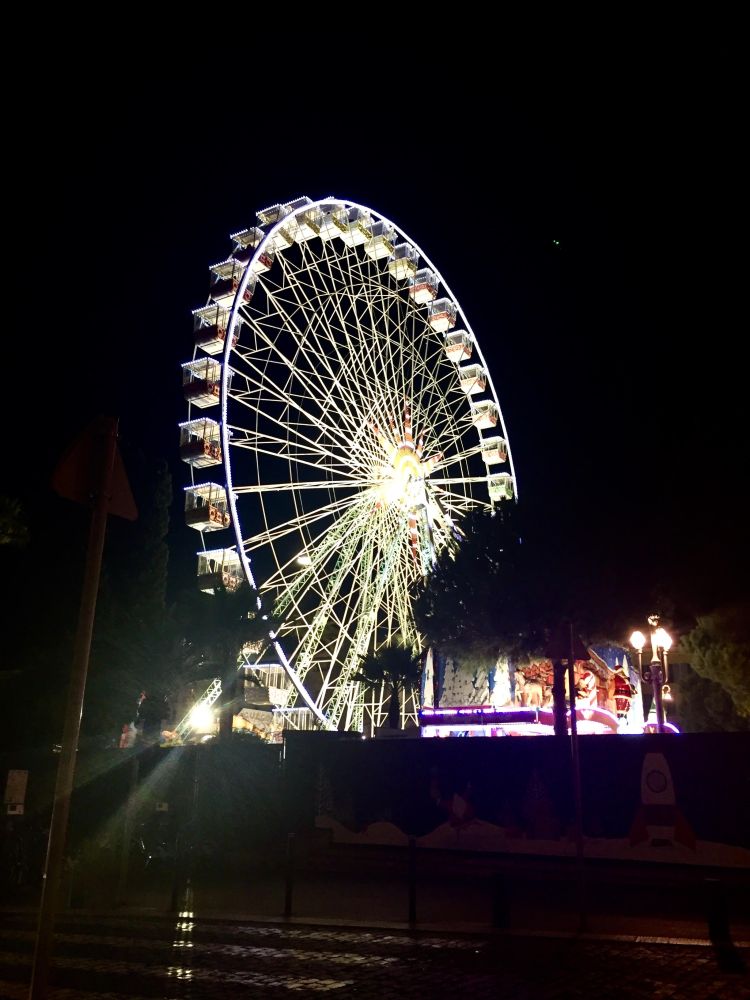
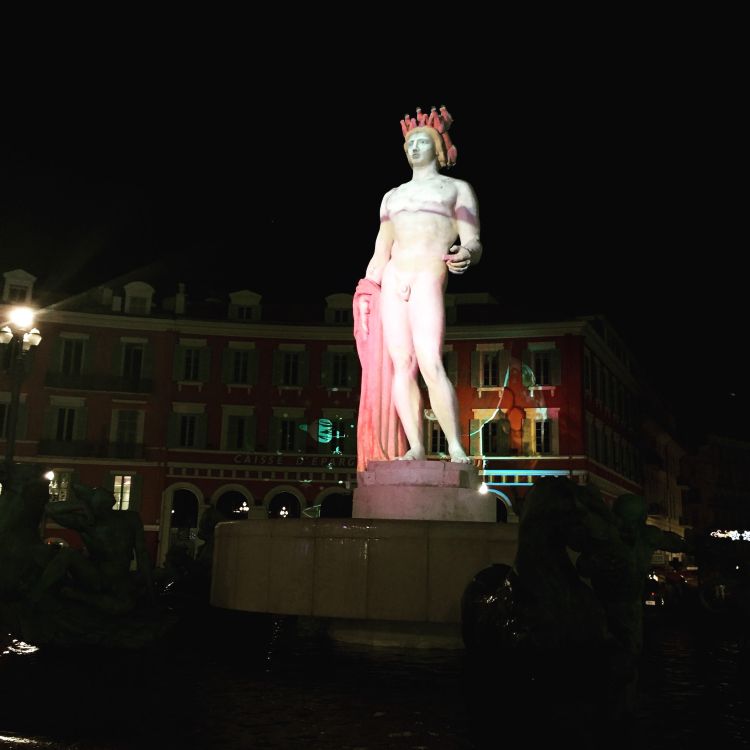
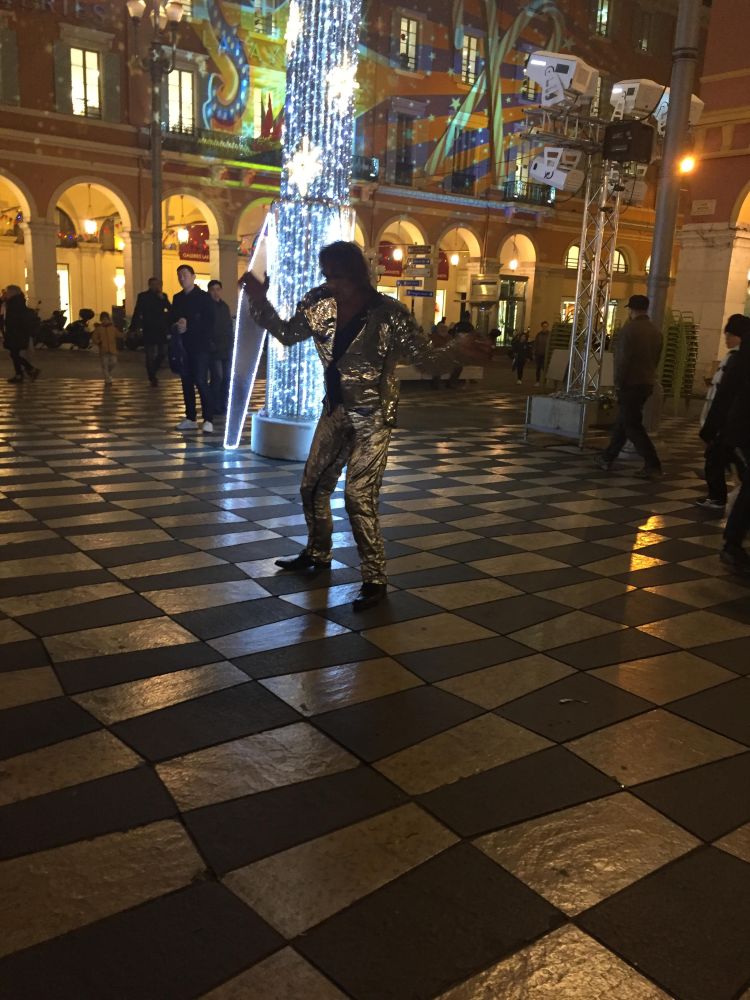
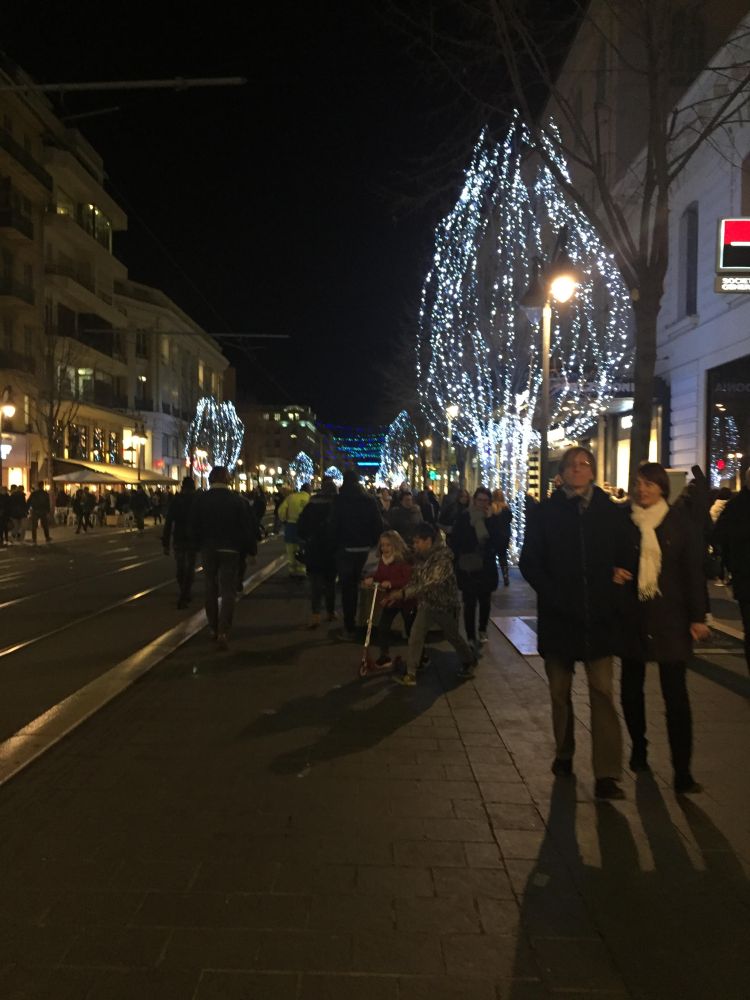
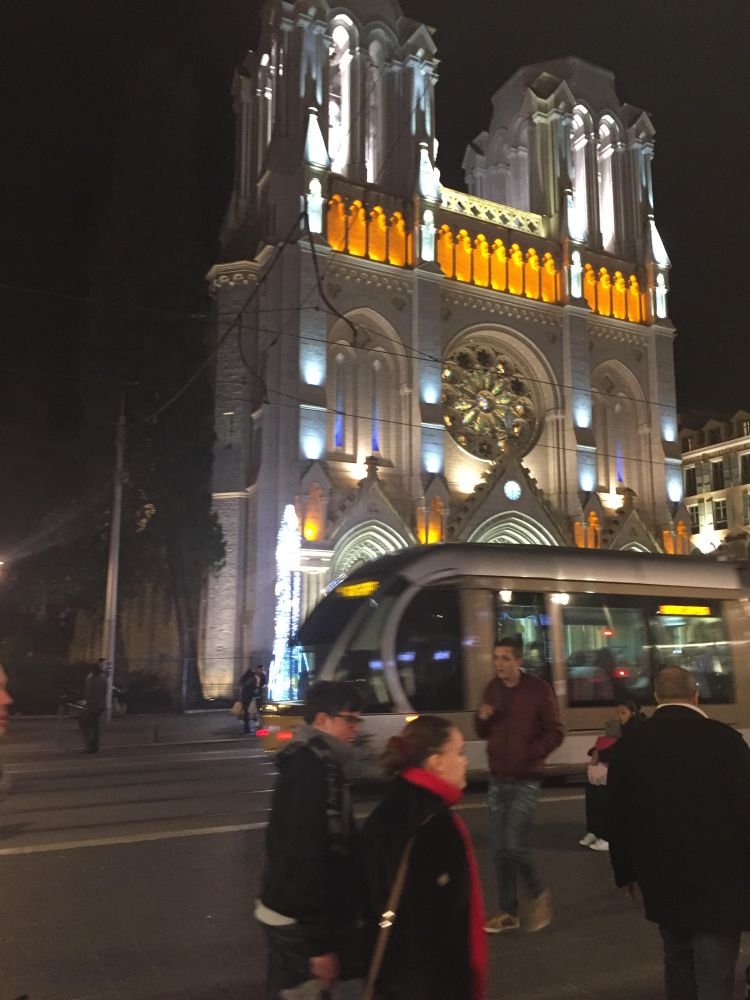
On my way home, I used what was left of the battery in my phone to shoot some closing, fun shots of Nice at Night.  Enjoy!

ACR16ACR6ACR12ACR10ACE9

Best, Jay

ACE8


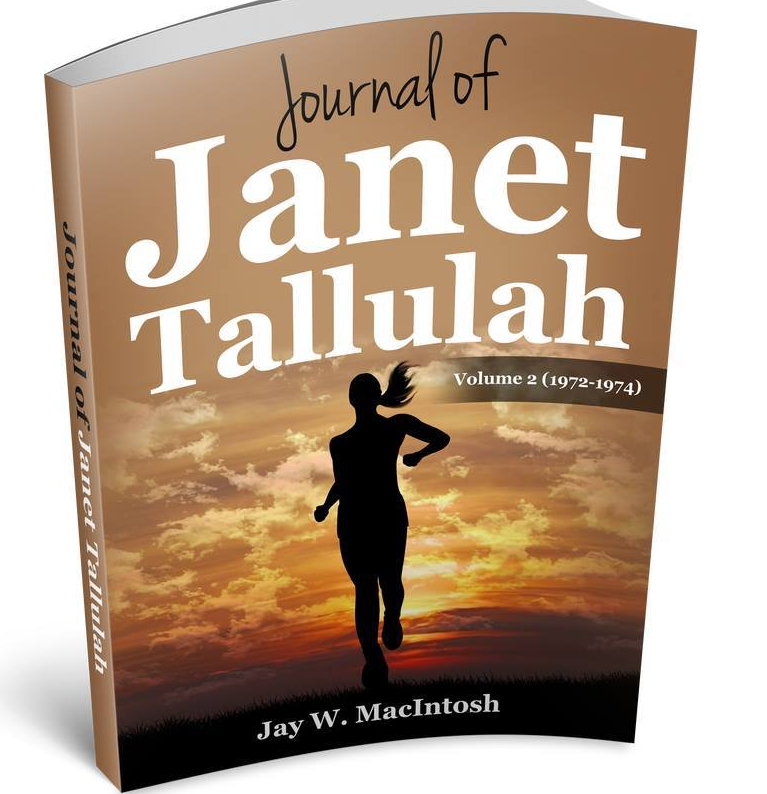
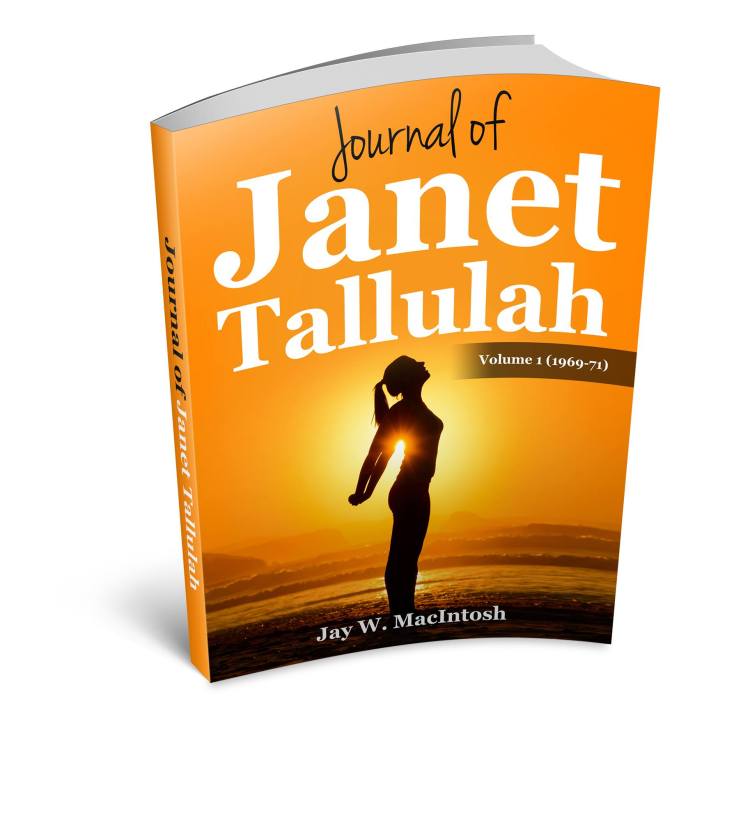
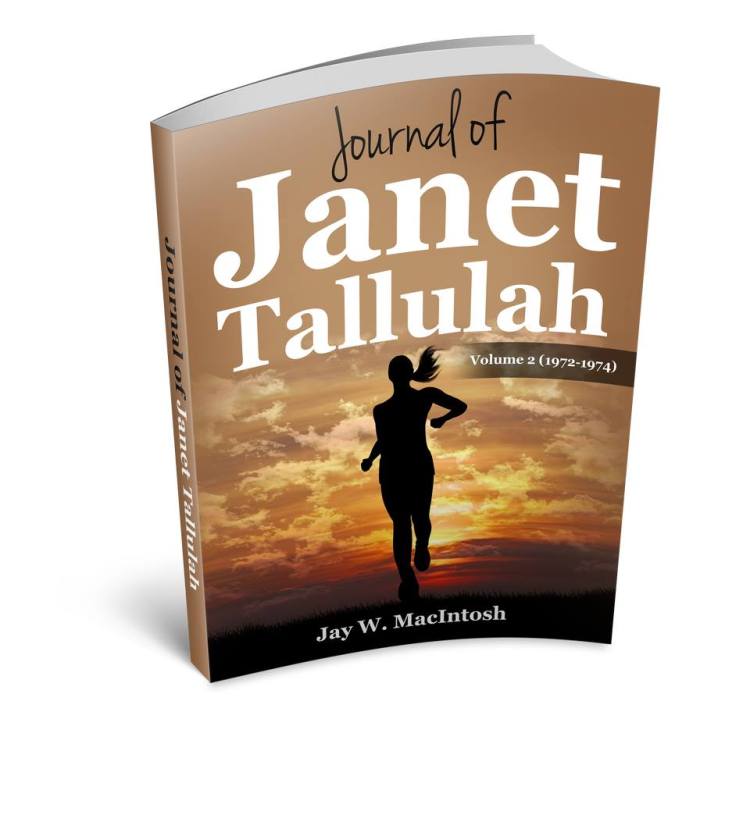
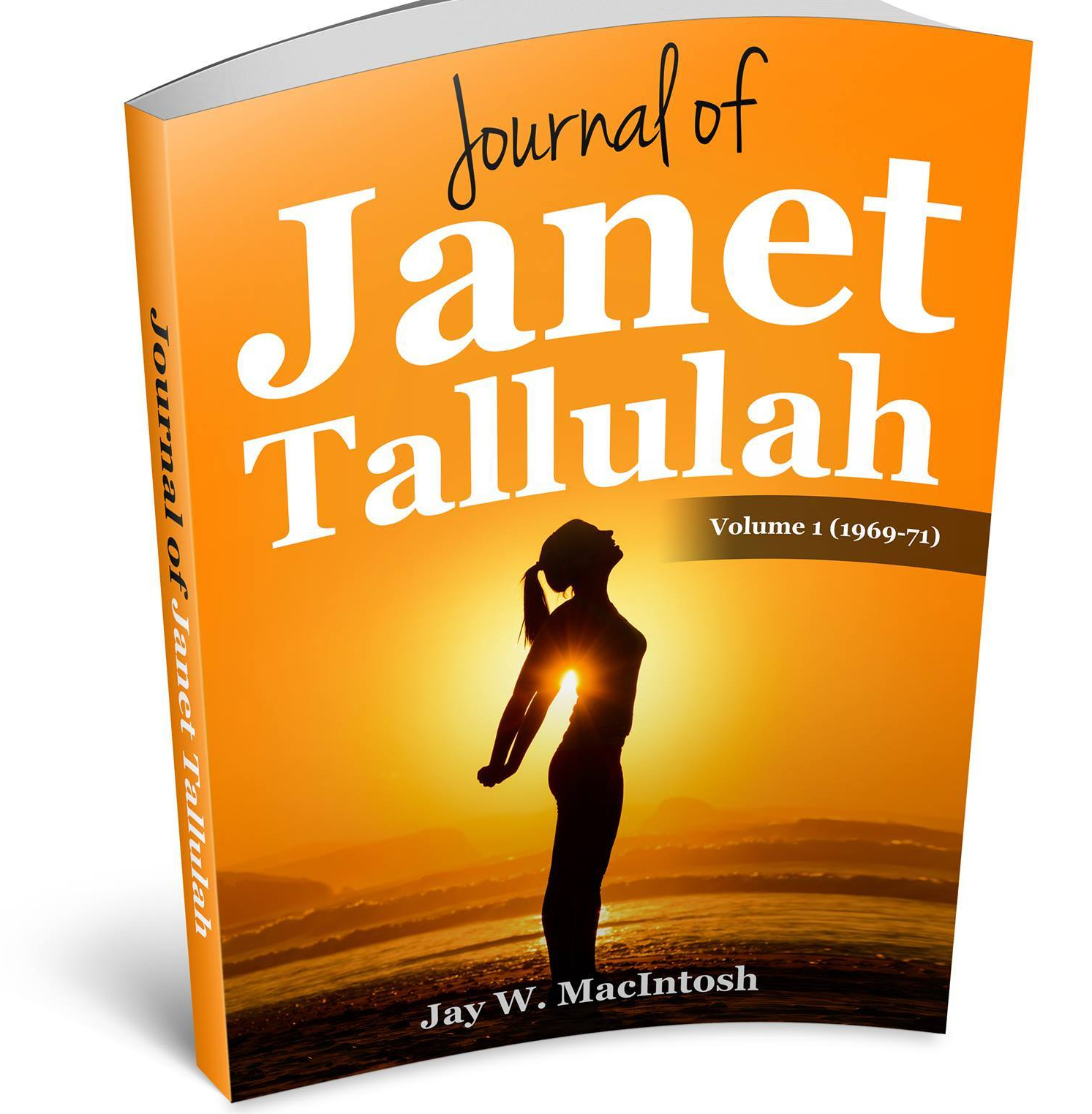
#SmartAuthor “JOURNAL OF JANET TALLULAH, VOLUME 2”

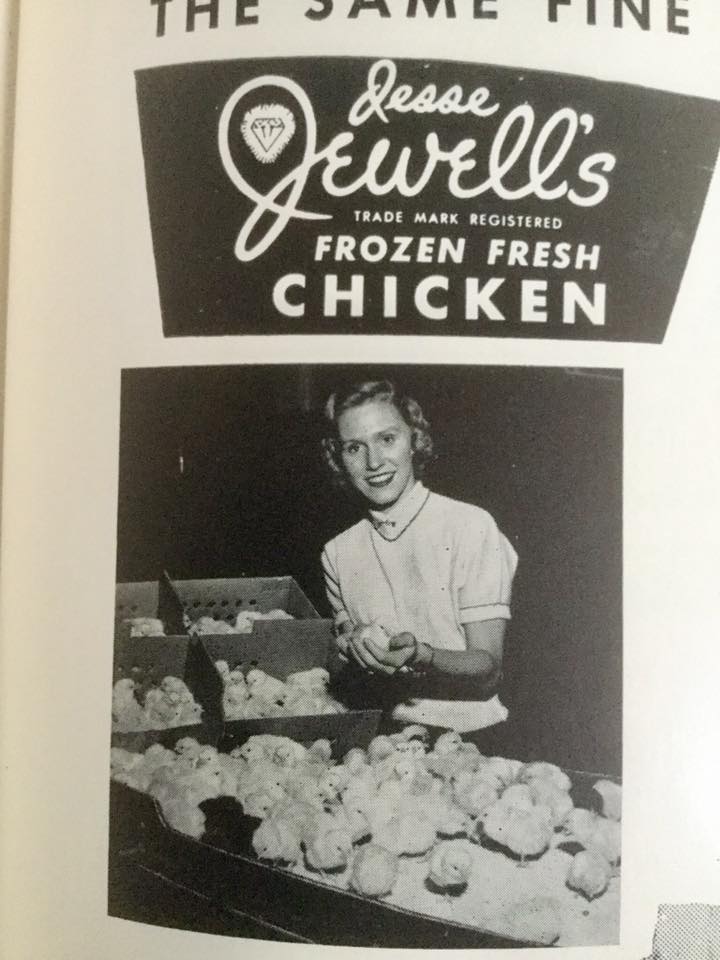
“Journal of Janet Tallulah, Volume 2 was published this week. (amazon.com and smashwords.com)  These Journals, Volume 1 and Volume 2, are the realization of my lifelong dream to publish my journals. Both are intensely personal. I think of them in the following way:  Journal 1 is the hatching of a baby chicken – rough around the edges.  Journal 2 is a bright yellow, baby chicken, beginning to experience life.* (*go to end of blog)

This brings me to Mark Coker’s “Indie Author Manifesto”.  I particularly like #9.  

THE INDIE AUTHOR MANIFESTO

By Mark Coker, originally published 2014 at the Smashwords Blog

We indie authors believe all writers are created equal, that all writers are endowed with natural creative potential, and that writers have an unalienable right to exercise, explore, and realize their potential through the freedom of publication.

  1. I hold these truths to be self-evident.
  2. I am an indie author. I have experienced the pleasure and satisfaction that comes from self-publishing.
  3. I have a right to publish.
  4. My creative control is important to me. I decide when, where, and how my writing graduates to become a published book.
  5. Indie does not mean alone. I choose my partners.
  6. I shall not bow beholden or subservient to any publisher. In my business relationships, I will seek partnership, fairness, equity, and mutually aligned interests.
  7. We indie authors comprise diverse writers, unified by a common purpose to advance, empower, and celebrate writers everywhere.
  8. I am a professional. I take pride in my work and I strive to improve my craft to better serve my readers, myself, my fellow indie authors, and the culture of books.
  9. My writing is valuable and important. This value and importance cannot be measured by commercial sales alone.
  10. I celebrate the success of my fellow indie authors, for their success is mine and mine theirs. Together, we are pioneering a better future for books, marked by greater quality, creativity, diversity, choice, availability, affordability, and accessibility.”

Okay, there you have it. Now let’s dissect it.

In the first sentence I wrote, “We indie authors believe all writers are created equal, that all writers are endowed with natural creative potential, and that writers have an unalienable right to exercise, explore, and realize their potential through the freedom of publication,” here I found a lot of inspiration from the preamble of the US Declaration of Independence, which states that all men are created equal and all men deserve the unalienable rights to life, liberty, and the pursuit of happiness. 

My critics said, “What do you mean all authors are created equal and all authors have a right to publish?” Yes, I believe that. Now I don’t believe that all writers are of equal talent, but I do believe that all writers have something valuable to share with the world. Then they should have the right to publish it for the judgment of readers. I believe it’s not anyone’s place to put one writer over another, or to decide what readers can read. Censorship and restraint of publication is almost always a bad thing.

In the spirit of the US Declaration of Independence, if it makes a writer happy to publish, then, gosh, darn it, let them pursue their happiness and publish it.

Now on to the next part, the part the begins with, “I hold these truths to be self-evident.” I used the word “I” and not “we” here because I wanted to allow writers to make the manifesto their personal declaration of publishing independence. Then following that line, “I hold these truths to be self-evident,” I list the 10 points. 

Item number one: “I am an indie author.” I viewed these simple five words as the ultimate affirmation of independence. Considering where the world stood a mere five years earlier, back when self-published authors were subjected to ridicule and shamed, today’s writers are wearing the indie author label as a badge of honor. A new generation of writers view self-publishing as their option of first choice rather than as their option of last resort. 

Now to item number two: “I have experienced the pleasure and satisfaction that comes from self-publishing.” If you’re already self-published, you’ve experienced this. But even if you’re preparing to publish your first book, I’m sure you can relate to it. Number two speaks to the pleasure of creative expression and the opportunity to control your own destiny. It also speaks to the heart of the human experience. 

We are social animals. If you lock a person in solitary confinement long enough, they will die. We humans thrive on social connection and communication. As any writer can attest, there’s a joy in creative expression and there’s no deeper or more intricately complex or capable form of human expression than this amazing magical vehicle we call the book.

Now to item number three: “I have a right to publish.” I touched on this in the preamble of the manifesto, but I thought it deserved its own affirmative statement in the body as well. This was a radical idea when I started Smashwords in 2008, and it was a radical idea when I wrote the manifesto. Even today, it’s not a universally acceptable or accepted idea, this idea that every writer has a right to publish, but you know and I know that you deserve the right and the freedom to publish. 

Now to number four: “My creative control is important to me. I decide when, where, and how my writing graduates to become a published book.” When I talk with indie authors and ask what they love most about self-publishing, creative control is almost always at the top of their list. They can publish their book their way. They control how they write what they write, how they price, how they distribute, how they engage with readers, how they do everything. 

On the flip side of this, if you’re a writer who wants to focus all of your attention on writing and delegate the rest of your publishing business to someone else, then maybe self-publishing isn’t for you. That’s okay, too. Self-publishing is not for everyone.

I love self-publishing, and I think every writer should consider it, but I also want to be completely straight with you and remind you that although publishing is easy, reaching readers will always be difficult. Self-publishing requires a lot of work. The great news is that it’s your choice. You’re in control. You can choose to pursue self-publishing or pursue traditional publishing or you can pursue both. 

For number five, I wanted to get across the idea that independence does not mean all alone. Most indie authors realize it takes a village to professionally produce, package, and market a book. Sure, an indie author can do everything alone if they choose, but the most successful indie authors partner with others to help their book reach its full potential. These partners can be an editor, a book doctor, a professional cover designer, a distributor, a retailer, a publicist, or even a traditional publisher. To a great degree, much of your success will be determined by your skill at selecting the right partners. 

Now to number six: “I shall not bow beholden or subservient to any publisher. In my business relationships, I seek partnership, fairness, equity, and mutually aligned interests. Number six is where I caught flack for coming across as anti-publisher. If “bow beholden and subservient” sounds a little like a master-slave relationship, that’s because that’s what it was. Sure, in the old days, you could publish without a publisher, but if you want to reach readers, you have no choice. You played by the publisher’s rules or you didn’t play at all. 

If you listened to the prior episodes of this podcast or if you’ve read any of my other writings over the last 10 years, you know I’m not anti-publisher. I love publishers. A great publisher is one that can do things for you that you cannot do or don’t want to do for yourself, yet we can appreciate publishers and still call them out for past transgressions and current inadequacies. 

For example, most traditional publishers pay ebook authors only 12% to 17% of the list price, whereas indie ebook authors typically earn 60% to 80% of the list price. It’s completely fair for authors to believe that they deserve greater compensation for their traditionally published ebooks and it’s fair for them to believe that they deserve greater control over how publishers price and promote their books, or that they deserve more equitable rights revision clauses in their contracts if the publisher doesn’t meet certain sales threshold. It’s also fair for the publishers to pushback, to disagree and argue their case for why their terms are fair and equitable given their value add. 

My main point of number six is that authors and publishers can have great relationships and great partnerships, but to achieve this greatness, both the author and the publisher must work together to achieve mutually aligned interests. My biggest criticism of traditional publishing is that due to their business model and absolute domination over print production and distribution they’ve developed long ingrained attitudes that aren’t always as pro-author as they should be. 

Publishers have long practiced a culture of no. Their business model requires them to say no to most authors and to view most writers as unworthy. It’s in their business model that you serve them and they serve themselves. It’s in their business model to judge books based on perceived commercial merit. 

Now you’re the author. How do these long ingrained attitudes and business model limitations make you feel? What author wants to be treated as a powerless lackey by their business partner? The power dynamic isn’t balanced. 

In my view, the key to publishers’ future success is to change their attitude and recognize that publishers are service providers to authors, and not the other way around. The best publishers will treat you like a partner. Although publishers have had the power to say no in the past, today’s authors can say no to publishers. Many authors now turned down publishing contracts in favor of self-publishing. In the show notes, I’ll share a link to an interview I did with New York Times bestselling author Jamie McGuire on this very topic. 

Now to number seven: “We indie authors comprise diverse writers, unified by a common purpose to advance, empower, and celebrate writers everywhere.” For number seven, I wanted to underscore that the indie author movement has brought together a diverse universe of writers, all with different backgrounds and experience levels but united by a shared purpose: to advance and support their fellow community of writers. It’s always heartwarming to witness indie authors giving back to the community and standing by their community. There’s power in unity. 

Now to number eight: “I am a professional. I take pride in my work. I strive to improve my craft to better serve my readers, myself, my fellow indie authors, and the culture of books.” I know number eight resonated with a lot of indie authors because these authors know how much sweat and sacrifice they’ve devoted to pursue this crazy dream of authorship.

In number eight, I wanted to draw an important distinction between amateur and professional. For writers who adopt the Indie Author Manifesto as their own, the mere act of speaking these words out loud, of feeling these words, “I am a professional,” serves as a personal declaration of professionalism. You’re making a commitment to strive for professionalism. 

Many people out there still consider self-published authors as amateurs. Most people don’t believe in you. Anyone can be an indie author amateur. These are the lazy self-published authors who don’t bother to learn best practices or who don’t bother to professionally produce a product that will make their readers proud, or who remain willfully ignorant to the reasons behind their inability to reach readers.

Indie author professionals, by contrast, approach self-publishing with pride and professionalism. Professionals honor their readers with the best possible product. They know it takes a lot of work to create that product. Professionals understand that success requires equal parts skill, perseverance, and luck.

Now to number nine: “My writing is valuable and important. This value and importance cannot be measured by commercial sales alone.” For number nine, I state a point that I’ve repeated multiple times here on the Smart Author Podcast. Indie authors and traditional publishers have widely divergent views on how books should be valued. I wanted to remind authors that the value of their writing transcends monetary measures. If your book has the potential to bring a smile to a single reader, your book is important. Whether you write fiction or nonfiction, your book has the potential to change lives and maybe even save lives. What can be more important than that? 

Just because your sales suck doesn’t mean that you’re not worthy. Most writers’ sales suck, whether they’re traditionally published or self-published. Most writers will have good months and bad months, good years and bad years. If you only measure your success by money, you’ll probably burn out and quit, but if you develop other measures of success, like finding joy in the creative process or making your next book better than the last or finding joy in pressing the publish button when you’re finally ready to share your soul with the world, then you’re more likely to continue writing and publishing. Therefore, you’re more likely to eventually emerge from your obscurity to achieve the greatest commercial success. 

Now to the final item in the manifesto, number 10: “I celebrate the success of my fellow indie authors, for their success is mine and mine theirs. Together, we are pioneering a better future for books, marked by greater quality, creativity, diversity, choice, availability, affordability and accessibility.” Boy, that’s a lot of abilities. 

This final item is packed. This idea of shared success, which I touched on in the last episode (E8:  ART OF DELUSION), is a common characteristic that I observed in the most successful indie authors. They work hard, they fight to earn and deserve every reader, but they recognize that their gain is not someone else’s loss and someone else’s gain is not their loss. Every time an indie author pleases a reader, it benefits all fellow authors and it benefits all of book culture. It becomes yet another reason to celebrate indie authorship. 

Number 10 also gets across the idea that, as a movement, we indie authors care about something greater than our own selfish interests. In fact, we realize that our selfish interests are inextricably linked to the fate of the greater movement. We care about books and we care about the culture of reading. We care about diversity of thought and expression. We abhor censorship in all its forms. We care about serving readers and making books accessible to all. We will all sink or swim together. 

That concludes Episode Nine on the Indie Author Manifesto. I trust now you have a greater appreciation for the pivotal role you play within the indie author movement and how your contribution fits within the greater context of the centuries-old struggle for free expression. If the Indie Author Manifesto resonates with you, make it your own. Visit the show notes at smashwords.com/podcast for links to where you can read it, download it, print it, and share it. I’ll also put links in the show notes if you want to further explore the history of book publishing. 

Looking ahead, for the next six episodes I have a special treat for you. Earlier in the podcast I mentioned I’ve got an updated edition of the Smashwords Book Marketing Guide coming out. It provides an expanded checklist of over 60 book marketing ideas that will help take your book marketing to the next level. 

I’ve decided to serialize the new marketing guide here on the podcast first. It’ll be like a podcasted audiobook. I’ll present it in six logical chunks of approximately 30 minutes each.

After you hear the final installment, I’ll release the complete ebook everywhere for free. 

If you’re enjoying the Smart Author Podcast, please share it with your friends.

Working together, we can change the world one indie ebook at a time.

Until next time, keep writing. I’m Mark Coker.  

https://www.smashwords.com/podcast/9

*Advertisement, page 125, Gainesville High School 1955 “Radiator” – GHS yearbook.

Janet & Jewell ChickensJournal-1 Cover 3DJournal-2 Cover

Best, Jay

13626435_10154363936434140_4757698328878220134_n

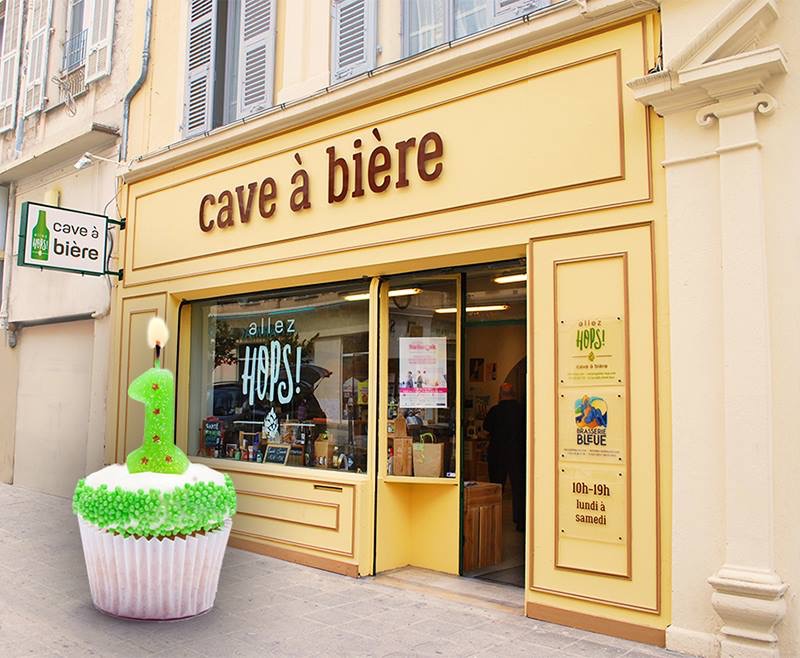
ALLEZ-HOPS! cave à bière

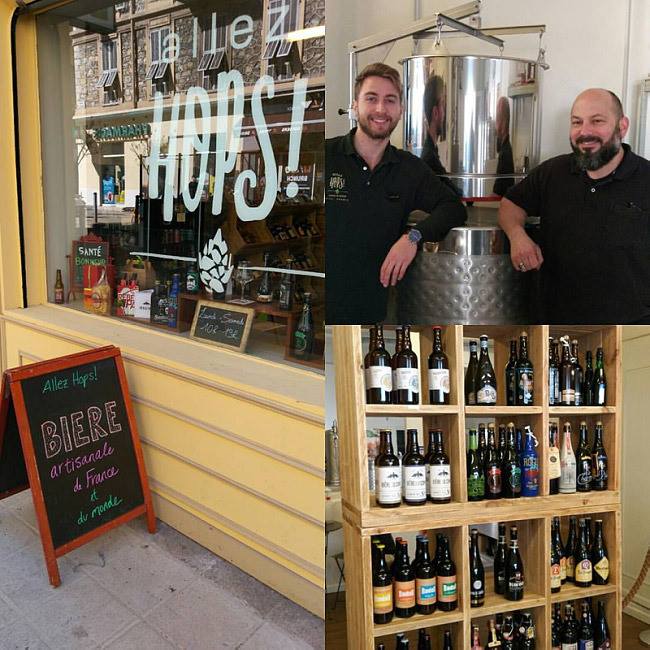
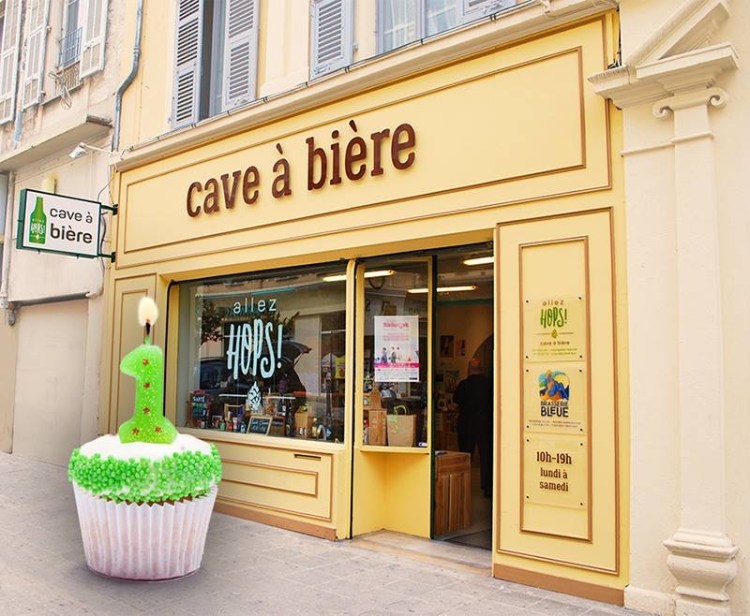
This is a Christmas shout-out for Allez-HOPS! What is Allez-HOPS, you ask? It is cave à bière (beer cellar) in the heart of Nice, France.  Now, those of you who know me or have seen my pictures KNOW that I am a wine drinker. White at lunch; red at night. That wasn’t always the case. Here is the back story:

Back in the day, when I was a student at the University of Wisconsin, it was beer all the way.  In the ‘80’s, I started having reactions to malt (along with basil, cilantro, herb teas, and other things).  I quit drinking beer and eating Mars bars (just kidding about the Mars bars. Yuk.)

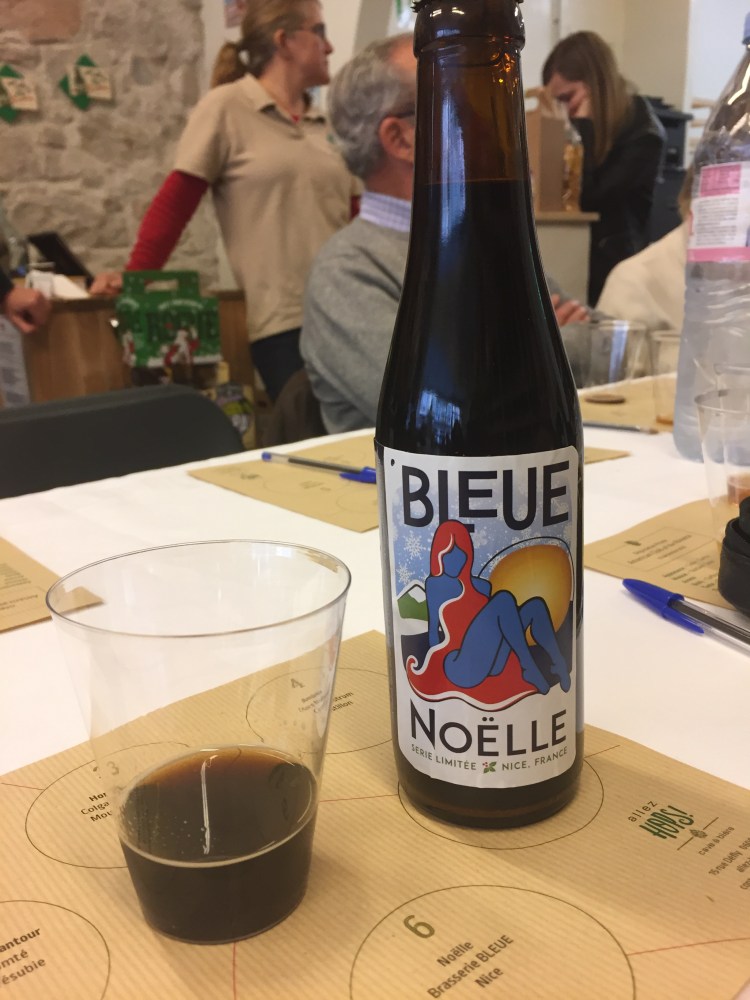
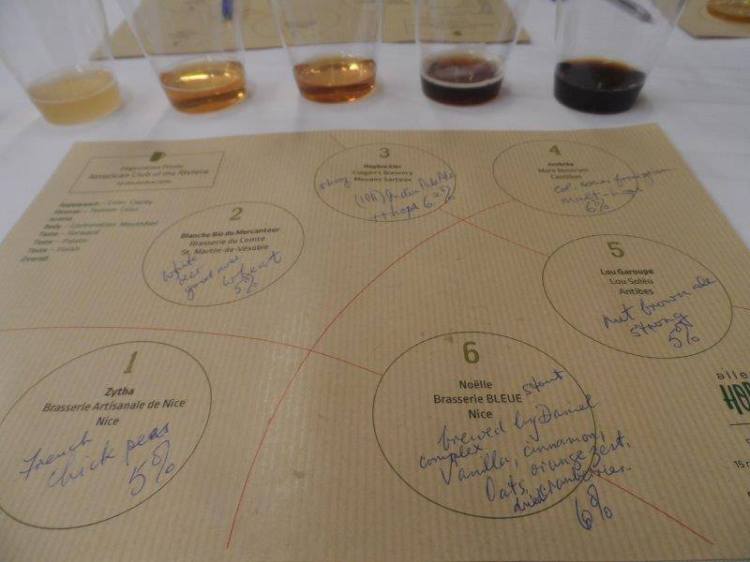
Last Christmas, I went to an American Club of the Riviera event – A Christmas Local Beer Tasting and Lunch. http://americanclubriviera.com/  I wasn’t sure what would happen if I tried to experience a “tutored beer tasting by Daniel Deganutti”, one of the governors.  https://allez-hops.com/  I was willing to try. This was my first Christmas after Steve’s death.  I needed to get out of the condo. 

Cave1IMG-4823IMG-4846

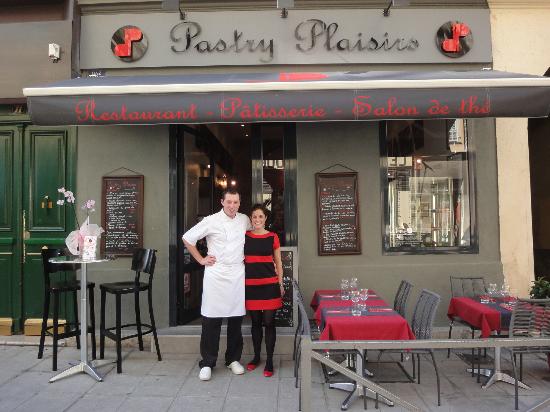
The Tasting started at 11:00 a.m.  Beer, IN THE MORNING???  No matter. I could call Uber if I needed help home. Plus, the French 3-course lunch “by an accomplished chef at the nearby Pastry Plaisirs” sounded delicious. http://pastryplaisirs.com/en/

Cave 6

IMG-0250

Cave 11

What a fun day!  I enjoyed every minute of it. Met interesting people, sipped a lot of beers, learned the type I like (forgot what he said), ate delicious food, and discovered I can handle malt.

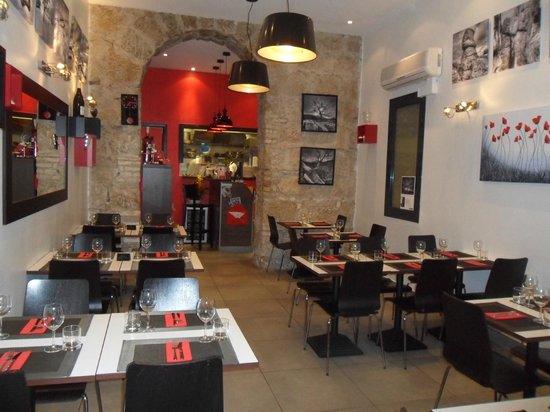
Pastry Plaisirs only opens for lunch Monday through Friday, and dinner on Friday and Saturday.  Plus, it caters to private events, birthday parties, and such. It is small, intimate, and delicious, starting when the chef, Louis Dubois, born at Poitiers, decided to open his restaurant, tea room and pastry shop with his girl friend Aurore Parrant. He cooks; she serves. Yum. 

pastry-plaisirs1

pastry-plaisirs2

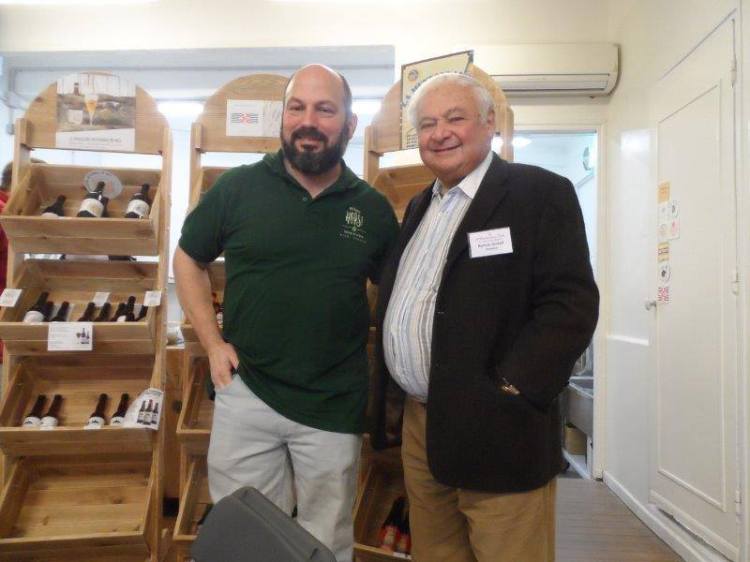
As for Allez-HOPS, I am not certain how it started.  I asked, got the Readers Digest version, and quickly forgot what he said. Well, he was preparing for a tasting while I wanted to know where he and his family lived in the Mid-West. Haha. I will get the facts and get back to you. What I do remember, a guy, Daniel, from the Mid-West moved with his family and his life savings to Nice in 2015, to open a craft beer shop in Nice.  What???? In the middle of wine country?  It was inaugurated in July 2016, and has a selection of more that 400 local and international references, and contains a micro-brewery, making on the spot the beers of their mark called “Brasserie Bluee”.  And, he is doing quite well!! 

Cave 2Cave 4Cave 8

Since then, I have walked by Allez-HOPS many times, going to and from my physical  therapist.

IMG-0249

I have not stopped in because, as I said, I am a wine drinker. But, last week, I was having a couple of friends in for cocktails, and one drinks Duvel beer. So, I went to Allez-HOPS, bought 4 Duvel beers, 4 Duvel-type beer glasses, and got “delivered” home by Daniel because the package was heavy and I was walking. What a nice guy. He and his family live in Grasse, and he commutes every day. I am pulling for him and his shop.  

Best, Jay

Cave 9


#SmartAuthor – THE ART OF DELUSION

This week, my son Craig (Craig MacIntosh), posted this on Facebook. Bingo! It spoke to me.  It applies to everything – life in Nice, remaining young in mind while growing old, practicing law, working as an actress, teaching, exercising, dieting, marriage, writing blogs, writing books, playing the piano, raising children, growing a garden….  
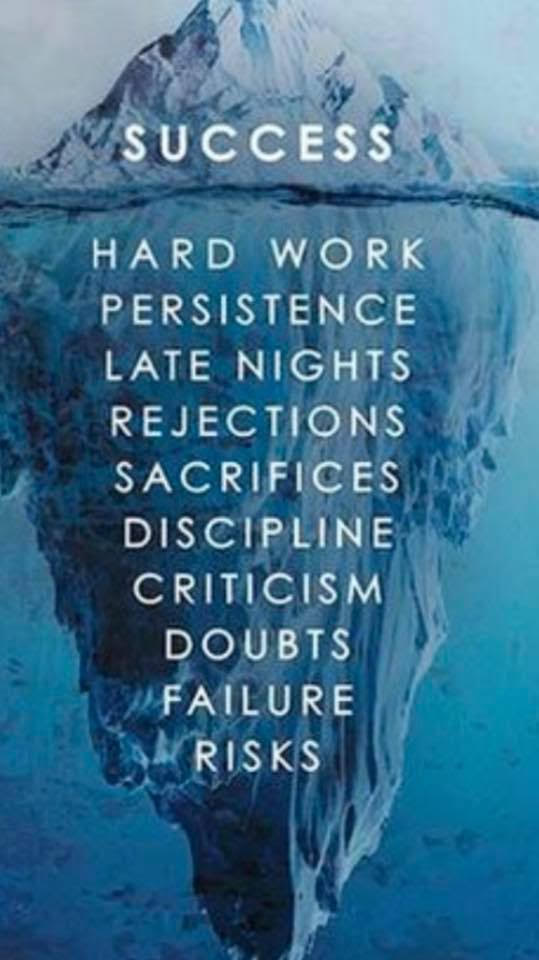
unnamed

Then, Mark Coker posted his 8th podcast about the “Art of Delusion” – the down times and dark days of writers.  That spoke to me.  I am a writer.  I have down times and dark days.  I thought about Steve, (Steve Orlandella, my television-producer-husband-turned-writer). One of the last things that I heard him say, “This is the last book I am going to write.  Nobody’s reading them, anyway.” I spend time after that, giving him pep talks about the joy of creating the book, not selling it.  He loved to write.  He loved the repartee  between his two lead characters.  Often, he read dialogue to me because it was clever.  

Mark has addressed this issue in his latest podcast, talking about his personal experience with writing and Smashwords. Instead of telling you how to access the podcast, I am posting the Notes. His guidelines apply to everything,  His story is inspiring. Maybe it will inspire you to keep going during a dark day.  It did me.  As my Daddy (Jesse Jewell) often said to me, “Rough Seas Make Good Sailors”. 

Episode 8:   Art of Delusion

Every writer – even successful writers – can have dark days when the reasons to quit feel more sensible than the reason to power on. In this episode, Mark teaches writers how to find the strength to persevere during the inevitable ups and downs of a writer’s life.  He concludes by sharing twenty tips for publishing success.

Transcript:

Welcome to the Smart Author Podcast where you’ll learn to publish e-books with greater pride, professionalism and success. I’m your host, Mark Coker. Let’s get started.

In this episode, the art of delusion. As writers, we all have dark days when it feels like nothing’s working and when quitting feels like a sensible option. If you haven’t experienced these dark days yet, you will. On those dark days, you’ll hear voices often from friends, family or negative reviewers, and these voices will amplify your doubt when they jump in and encourage you to quit. When this happens, it becomes all the more difficult to keep going, yet somehow, we find the strength to power on because we’re writers.

My writing journey started like the journey for most writers. My wife and I spent three years researching, writing and revising our novel. It’s titled Boob Tube. My wife, Lesleyann, is a former reporter for Soap Opera Weekly Magazine so we decided to write a novel about the dark underbelly of celebrity culture and the novels written through the eyes of these fictional soap opera actors. Despite representation from an awesome top tier literary agent in New York City, an agent who believed in us, no publisher would touch the project. Previous soap opera theme novels had bombed in the marketplace. Publishers are reluctant to take a chance on us.

That was in 2005 back in the dark ages of publishing when a publisher’s rejection was absolute. Back then, a publisher’s refusal to acquire your book doomed your dreams of authorhood. Rejected writers became failed writers. Sure. Back then, you could self-publish in print but that’s if you didn’t mind filling your garage with unsold books. Most books were sold in physical bookstores and only publishers could get your books in bookstores which was where readers go to buy books. I could have quit back then. All sensible reason pointed toward quitting. We gave it our best shot. Our agent gave it his best shot and what was, was. Maybe we weren’t good enough. Maybe we truly sucked, but I don’t like it when the powers that be tell me I can’t do something I know I should have the freedom to do. Rejection doesn’t feel good. Dependence and subservience doesn’t feel good.

Here’s the problem as I saw it. Publishers were and remain unable, disinterested and unwilling to take a risk on every author. They simply cannot say yes to every writer. I don’t blame them for this. They’re in the business of acquiring books they think have the greatest commercial potential. If they don’t acquire books that sell, they can’t stay in business. They’re forced to measure a book’s worth based on its perceived commercial merit, yet most of their books are commercial flops anyway. Most traditionally published authors must still maintain day jobs to make ends meet. If you think about it, this means traditionally published authors have been subsidizing these publishers’ businesses for a long time. If publishers are so all-knowing and all-seeing, then why do so many of their books perform poorly?

I finally came to the realization that despite the wisdom and good intentions of these publishers, at the end of the day, they can only make an educated guess. The dirty little secret in publishing is that publishers are just throwing spaghetti against the wall. Publishers don’t know what readers want to read. Only readers know that and often, readers don’t even know what they want to read until it comes out of nowhere and smacks them upside the head. I imagine the hundreds of thousands of authors who came before us just like us who stared into this abyss of failure, whose dreams of publication were crushed by publishers. I imagine the millions of books that would die with those authors, unpublished and unread. I imagined the literary masterpieces hidden in those books that would forever be lost to humanity, undiscovered like buried treasure because these writers were never given a chance.

I had a crazy idea. What if someone somewhere could take a chance on every writer? What if that someone could be me? What if I could say yes to every writer in the world and what if, like the best of the best publishers, I could do it at no cost to the writer? Yet, it was a crazy idea. I didn’t have Bill Gates or Warren Buffett kind of money but I figured if people had the freedom to publish on a blog for free or publish a video on YouTube for free, they should have the freedom to publish a book for free. I realized print book publishing was expensive, what with all that paper, glue, cardboard and fossil fuels necessary to move those bits of paper around the globe from printer to consumer, but what about ebooks?

eBooks are composed of digital bits and bytes. The cost to duplicate and transport an e-book is close to free, so I decided to embark on creating a free e-book publishing platform that would make it fast, free and easy for any writer anywhere in the world to self-publish an e-book. People reminded me this was a crazy idea. Let’s explore the crazy on my idea. I wanted to create a business that would publish writers no smart publisher wanted to publish, writers just like me and my wife. I’d publish books that no publisher thinks readers want to read. I’d publish them as ebooks, a format that, at the time, accounted for less than 1% of the book market. It was a format no reader wanted to buy and I’d sell these books on a website no one had ever heard of, smashwords.com.

At the time, there was a tremendous stigma around self-publishing. No writer in their right mind wanted to self-publish a book back then. Oh, and to top it off, I was a clueless newbie. I had absolutely no experience in the book publishing business. My prior career was in public relations, so let’s review. I was going to build a business selling books no publisher want to publish in a format no readers want to buy at a store no reader had ever heard of, oh, and writers didn’t want to self-publish. Yay, but it sounded like a good idea to me.

In 2005, I started working on the business plan and by 2007, I hired a full time software developer to create my site. In May of 2008, we unveiled Smashwords to the world. Immediately after launch, my developer quit and curiously, about a year later, he was working at Amazon on their Kindle team. Dang. It didn’t feel right. Also immediately after the launch of Smashwords, the doubters pounced. I was attacked immediately by writers and industry watchers who thought that all self-published books were vanity books and anyone promoting self-publishing was a lying, cheating crook out to fleece authors. I was accused of nefarious motives. What was I selling? Was I stealing authors’ rights?

I received angry emails from writers demanding to know why I refused to put the cost of our service on our website. That’s because our service really is free. I received angry e-mails from previously published traditional authors who said, “There was no way in hell they’d allow their book to appear alongside amateur,” yes, they used that word, “amateur self-published books on Smashwords.” Now, a side note for these, what do we call them? Maybe we call them idiots. A side note for these authors, we’re a distributor and your books are already appearing alongside self-published books in every bookstore.

Another writer wrote me an angry e-mail asking if I thought he was a fool because obviously, he’d have to be a fool to make his book available as an e-book because as he told me, once his book was available online, millions of readers would pirate it. Yeah, right, if only he could be so lucky. I’d pay good money to have one million readers steal and read my novel but I digressed. By the end of that first year 2008, we’re publishing 90 authors who published 140 books at Smashwords. Sounds good, right? No. On a good day, we were only selling about $10 worth of books. The naysayers would have celebrated our misfortune with a big, fat, “I told you so.”

Smashwords only makes money on commission and the commission is about 10% of the list price. My little business was netting a whopping $1 a day. The business was losing, or I should say I was losing $10,000 a month on my crazy venture. I was the sole funder. The business was devouring my life savings. Common sense would have compelled me to quit, yet I powered on because I believed in this. My passion for this cause was all consuming. I had faith that someday, somehow, the world would come to respect the works of all writers.

I had confidence that it was inevitable that a few of these Smashwords authors would find an audience, break out and become hugely popular, if only given a chance to be judged directly by readers, if only given a chance to be freed from the shackles of well-intentioned but obstructive gatekeeping agents and publishers. I was also convinced that traditional publishing was broken and if I could build a better publishing system, authors would choose to use my system of their own free will rather than using us as the option of last resort.

By the middle of 2009, things still weren’t looking good. We were attracting more books but they weren’t selling very well on our little store that no one had ever heard of. Faced with this failure, I had two options. Number one, I could quit and go back to my old soul-sucking career in public relations or number two, I could keep fighting, so I had this crazy idea, an epiphany. I realized readers go to bookstores to buy books. Yes, you can call me a little bit slow. I won’t be offended but it took me a while to come to this realization. No one had ever heard of my little store, so I wondered, what if I could get our authors’ books into the big e-book stores? What if Smashwords could become a distributor?

When I first mentioned this idea to my sole employee, I remember laughing at the absurdity of my own idea. We had absolutely no clue how to become a distributor but we jumped in anyway and we figured it out. I found some inspiration looking at Ingram, the world’s largest book distributor. At the time, their primary business was distributing print books from large publishers to retailers. I realized they provided a lot of value add for publishers, retailers and readers alike by efficiently managing the physical logistics of moving all these bundles of paper and glue from printers to warehouses to bookstores and ultimately, to readers. They distributed e-books at the time too but only for large publishers. The world needed an e-book distributor for indie authors, so what if Smashwords could become the Ingram of self-published e-books? I laughed at myself again at the thought but I figured, even if I failed spectacularly, I’d have fun trying.

By the end of 2009, we signed distribution deals with Barnes & Noble and Sony. Those two deals were a breakthrough because prior to us opening up these two stores, these stores were closed to self-published authors. By early 2010, we had a deal with Apple iBooks. By early 2010, we were making progress. Once our authors’ books made it into these major e-book stores, the book started selling but we were still losing thousands of dollars each month. It’s tough to build a business when you’re only making 10% of the list price. My savings were almost tapped out.

I calculated I would run out of cash in about three months. Even though we were growing each month, I had already maxed out the line of credit on my home so not only was I cash poor, I was also in debt, so I did what any sensible adult would do in this situation. I called my mom. I asked my mom if she wanted to invest in Smashwords. I can still hear her response ringing in my ears to this day. She said, “Oh, Mark. That sounds so risky but I’ll lend you the money against your rental house,” so I mortgaged my only other asset to my mom.

Ten months later, Smashwords hit profitability and the rest is history. Today, with nearly a half million books published at Smashwords and over 100,000 authors working with us around the world, we’re the largest distributor of self-published e-books. For the first few years of this business, I worked harder than I had ever worked. These were 16 and even 18-hour days unpaid. I did everything except for the programming. Many nights, I was so emotionally spent that I could barely speak. If you would ask me my name, I would have struggled to tell you my name. I was that fried.

As soon as we hit profitability, I started hiring. Today, Smashwords has nearly 20 employees. Looking back upon those first few years, I had many reasons to quit. Those first few authors to use Smashwords had many reasons to quit too but they used Smashwords because they believed in our mission and they believed in themselves. Those early authors are my heroes. Those early authors gave me the strength to power on, to help me prove to the world that there was extraordinary literary talent locked between the brains and fingertips of ordinary writers across the world, writers just like you. Whatever success we’ve had at Smashwords, it’s entirely thanks to writers like you, so thank you. We exist to serve you.

Let’s talk about the path forward for you and your writerly dreams. Publishing platforms like Smashwords make publishing easy but it’s still not easy to sell books. I would never advice authors to put everything on the line like I did. Looking back, I was foolish and I got lucky. As I mentioned back in episode three, I think it was tip 15, you should never go into debt to fund your publishing dream. Luckily, you don’t have to. Publishing can be free or nearly free. For writers, there’s never been a better time to publish. Millions of readers around the globe are waiting to discover their next great read. You have the tools to reach them.

20 Tips for Success

Now, I want to share 20 tips that will help you power on to reach readers with your words.

1. Respect your readers. Write and publish super awesome books. Readers will determine your success, wow them. Anything less than wow is not good enough because good isn’t good enough anymore. Good will fail when readers demand excellence.

2. Write more. With every word you write, you’ll become a better writer. Hone your craft.

3. Employ best practices for incremental advantage. There’s no single magic bullet to success. There are millions of readers out there who should be reading you but don’t yet know that. They don’t yet know that you exist. The secrets to professional publishing are yours for the taking. Do things that give you a competitive advantage. Adopt best practices as we’ve discussed in every episode of the smart author podcast series. There are the obvious things like professional editing, professional cover design and tools like e-book pre-orders. Then, there are the not so obvious things that you need to do. Constantly work to hone and evolve your best practices. Remember, you can always get better. The truth of the matter is that most writers don’t take advantage of best practices. This means that if you do take advantage of best practices, you will have an edge.

4. Think long term. You’re running a marathon, not a sprint. Consider how every action you take today will impact your long term success.

5. Guard your independence. After decades of subservience to publishers, indie authors now have the freedom to break the yoke of subservience and make their own way. Yet, with the rise of self-publishing has come those who want to steal your independence by enticing you to go exclusive. The opposite of independence is dependence. Don’t become dependent upon any single retailer. Otherwise, your future is in their hands, not your own.

6. Connect with your community. Stay connected with your writing community, both online and offline. Join a local writers group or a critic group to meet with fellow writers, hone your craft, and learn from guest speakers. Attend a writers’ conference where you can further hone your craft and learn about the industry and network with industry professionals. In tip seven through 11, I’m going to share a few of my personal secrets to business success. 

7. Be kind to people. Treat partners and readers with respect. It takes a village to reach readers. Fellow authors, critique partners, beta readers, editors, publishers, cover designers, retailers and distributors can all contribute to your success. Choose the right partners and these people will help you achieve even greater success.

8. Be honest. Business relationships are built on trust. The fastest way to squander trust is to be dishonest. If you always tell the truth, you never have to remember what you told someone.

9. Be ethical. Do unto others as you would want done unto you. Don’t cheat. Don’t steal. Don’t harm others.

10. Finally, be humble. Yes, I’m confident you have super awesome potential within you and it’s the truth but know that all of us can always grow better and become better. Your success started with you but it was helped along by others. Celebrate those who help you succeed. Always know that none of us alone can achieve anything without the support, encouragement and love of those around us.

11.  Practice radical time management. Raise your hand if you have too many hours in your day. The truth is none of us have enough time. Organize your time so you’re spending more time writing and less time on the menial grunt work of publishing. As an aside, this is why so many authors distribute with Smashwords. We help them spend more time writing and less time fussing with distribution. Radical time management doesn’t mean that you’re working all the time. Carve out downtime to recharge. Spend time with your friends and family. If you’re an introvert like me, nothing recharges like a little solitude in my garden or on a hike. If you’re an extrovert, get out there and mingle.

12. Take risks, experiment and fail often. Failure is a gift. Success is impossible without failure. My failure to find a traditional publisher for our novel led me to create Smashwords. My early failures at Smashwords helped light a successful path. The challenge is to take many smaller risks and appreciate every failure as a teachable moment.

13.  Be delusional. At the Pikes Peak Writers’ Conference in Colorado Springs, Colorado back in 2013, I attended a session on publishing that was presented by Uber agent Donald Maass. At the end of his session, he was asked what he thought of self-publishing. He responded to this room full of hopeful writers by saying, “Self-publishing is a fine option if you don’t want to sell any books.”

I watched as jaws dropped and hearts sank. I approached Don afterward at the dinner gathering that night and I calmly told him I thought he was underestimating the impact self-publishing would have on the industry. Without skipping a beat, he answered, “And I think you’re delusional.” I think I must have responded with an ear to ear grin like a mad man probably confirming his dim view of my optimism.

The next year in 2014, Inc. Magazine named Smashwords to its Inc. 500 list of America’s fastest growing companies. Smashwords authors now sell millions of dollars of self-published e-books at retail each year. Real readers have purchased over $100 million worth of our authors’ books at retail, so who’s delusional now, Don? Indie authors are just getting started. The industry still doesn’t appreciate the impact indies will have in the years to come as indie e-books continue to capture and ever greater share of the e-book market and as readers continue to slowly shift in the direction of screens. The industry’s underestimation of you and your potential is your strength and their weakness.

14. Embrace your doubters. They know not of what they speak. They’re delusional too. Give them a hug.

15. Celebrate your fellow author’s success because their success is your success and your success is theirs. If you’re fortunate enough to achieve extreme success, and I know some of you will, it’s inevitable, do everything you can to pause, reach back and lift up your fellow authors so they can join you for the ride. A journey shared is more satisfying than a journey alone.

16.  Past success is no guarantee of future success. I think a lot about this at Smashwords. We know we must continue improving and evolving every day and we do. The world is cyclical. Your publishing business will have ups and downs. When you’re having a great run, enjoy it. Soak it in and bank it. Pay off your debts. Save for rainy day and then, keep working.

17. Never give up. Quitting guarantees failure. Never stop running in the direction of your dreams. Fight for your right to pursue the best career in the universe. Every successful author I know once toiled in obscurity and you will too.

18. Dream big dreams. Be ambitious. Aim high. You are smart. You are capable. You must believe this because if you don’t believe this, you can’t achieve. Salvador Dali once said, “Intelligence without ambition is a bird without wings.”

19. Know that your writing is important. Books are important to the future of humanity and you are the creator of books. That makes you special. It also burdens you with a considerable responsibility. Your writing is unique. No one else can create what you have within you. Your writing is the manifestation of your life, your dreams, your soul and your talent. You are special. Others might think you’re suffering from delusions of grandeur but so what? What do they know? They can’t see inside you. If you don’t believe in yourself, who will? Don’t be discouraged if others, including those who love you the most, don’t understand the vision in your head.

20.  Find success and satisfaction in the journey of publishing. Know that the measure of your importance and your contribution to book culture and your contribution to humanity cannot be measured by your sales alone. The moment you reach your first reader, you’ve done your part to change the world and that’s just the beginning, so thank you for everything you do and thank you for taking the time to join me here on the Smart Author Podcast. That concludes episode eight.

In the next episode, Episode 9, I’ll present the Indie Author Manifesto. As an indie author, you’re part of a global cultural movement. I’ll discuss the indie author movement. I’ll discuss why I wrote the Indie Author Manifesto and I’ll read it and I’ll dissect it. Until then, keep writing. I’m Mark Coker.”

That should give you encouragement. It did/does me.

Best, Jay
unnamed-1


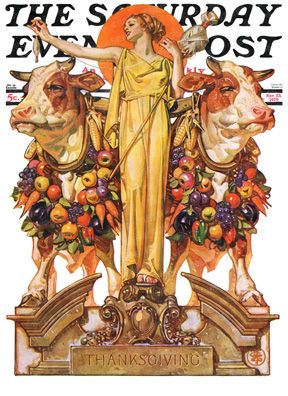
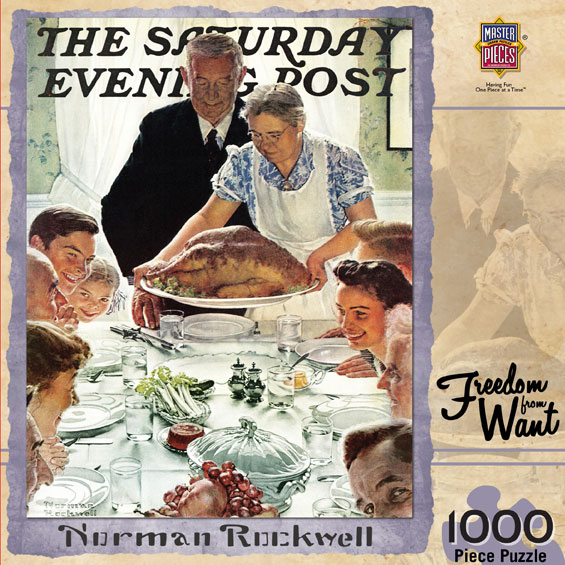
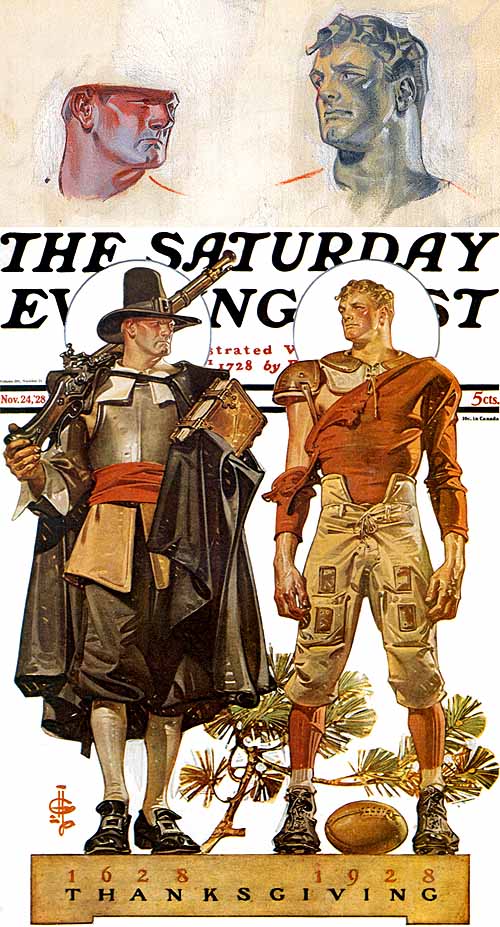
HAPPY THANKSGIVING, EVERYBODY!

“We gather together to ask the Lord’s blessing;
He chastens and hastens His will to make known;
The wicked oppressing now cease from distressing;
Sing praises to His Name; He forgets not His own.”

Thanksgivin SEPost

“Beside us to guide us, our God with us joining,
Ordaining, maintaining His kingdom divine;
So from the beginning the fight we were winning;
Thou, Lord, were at our side, all glory be Thine!”

Thanksgivin SEPost3

“We all do extol Thee, Thou Leader triumphant,
And pray that Thou still our Defender will be;
Let Thy congregation escape tribulation;
Thy Name be ever praised! O Lord, make us free!”


Thanksgiving6

Thanksgivin SEPost2


Best, Jay
unnamed


#SmartAuthor “A STITCH IN TIME SAVES NINE”

#SmartAuthor   The Launch Team is at it again!!  As a dedicated member of the Team, I urge all you “writer-want-a-be’s” to investigate these sites and listen to these podcasts. I wish I had heard them in 2012. I am listening to them now, sometimes twice, and amazed at what Steve Orlandella (my deceased husband) and I did not know when we began publishing books. Between us, we have fifteen books for sale on amazon.com. I have two ebooks for sale on smashwords.com.  Just imagine what we could have accomplished if we had known what we were doing!!  In all fairness to Mark Coker, there were articles that I could have read to be more informed. (sigh).  No.  We forged ahead on our own – all over the place with pricing and length. These were our first publications. 

Janet-Shampro4Steve -shampro2

Guess what? There are “sweet spots” for ebook pricing.  Length matters.  Books that are part of a series perform different from books that are standalone.  Steve’s novels are part of a series. One of my books is 550 pages long.  Do I fix what has been done?  How? Lots to think about.

SO, for those of you who are considering writing a book (Dennis), and for those who are already writing books (Adria), take a look. Now, most of these tips concern marketing, which begs the question: Where does the creative process of writing stop, and marketing begin?  Are they intertwined? As I said, lots to think about.

“1. SMART AUTHOR PODCAST PRESENTS THE 2017 SMASHWORDS SURVEY

Today in Episode 7 of the Smart Author Podcast, Mark presents the 2017 Smashwords Survey.  Each year Mark compiles the Smashwords Survey to reveal numerous direct and indirect factors that impact a book’s visibility, desirability, and enjoyability to readers.  These factors are easily controlled by the author. As an indie author, you have the opportunity to tweak and tune these factors to improve your book’s performance.

What are some of these factors?

  • Book length? Do readers prefer shorter books or longer books? In this episode, Mark analyzes the word counts of our bestsellers and compares them against the poor sellers.
  • What about pricing? What are the pricing sweet spots if you want to maximize readership, or if you want to maximize earnings, or if you want to maximize both? We’ve got that data.
  • What about pre-orders? Do books that originate as pre-orders sell more copies than books that do not? If you’ve listened to the prior episodes, you already know the answer to this question — though in this episode, Mark shares even more information on the impact of pre-orders.
  • How about the length of your title? Do books with longer titles sell better, or worse?
  • What about series? Do books in a series earn more than standalone works?
  • What about free? Does free still work, and if so, how can you put it use?

Mark shares answers to these questions and many more in Episode 7 of the Smart Author Podcast.

If you haven’t done so already, please be sure to subscribe at one of the links below.

Coming up next week for Friday, November 24, in Episode 8 Mark presents The Art of Delusion. All writers, even bestsellers, face dark days when it can be difficult to find the strength to power on. Mark will share 20 tips to help you persevere and succeed.

Where to Listen and Subscribe:

Supplemental resources:

You’ll find edited transcripts of each episode at our Smart Author hub page at Smashwords. Just click on the “Show notes” link to access the transcript and supplemental resources.

Join us at Facebook at the official Smart Author Facebook Page where you can discuss each episode with fellow listeners, or pose questions following each episode.

If you enjoy the episodes, please share with friend!

Enjoy!

2. REMINDER TO EROTIC AUTHORS: PLEASE CERTIFY YOUR WORKS

A few months back, Smashwords introduced new certification process for erotica and erotic romance. By providing us enhanced classification information for your erotic titles, you’ll remain in good standing with retailers that have specific requirements for which taboo subjects they’ll accept, and which they won’t.

If you’ve already certified your works, we and our retailers thank you!

Authors who fail to certify works requiring this certification will likely see their titles disappear from some retailer shelves some time after January 1.

If you haven’t yet certified your erotic works, please visit your Dashboard today! If you have multiple erotic books requiring certification, you can use our handy bulk certification tool that allow you to certify up to 50 books per screen.

For more information on our new certification process, please see the original blog post at http://blog.smashwords.com/2017/09/smashwords-erotica.html

3. HELPFUL RESOURCES

Thanks for choosing Smashwords for your ebook publishing and distribution.  If you’re enjoying the Smart Author Podcast, please help us spread the word by sharing links with your friends! For those of you who celebrate Thanksgiving next week, Happy Thanksgiving!   The Smashwords Team

Pay attention, Writers! if you want your published works to sell!!  Do it!!

Best, Jay
jay w glasses

TYPICAL MORNING WALKS – NOVEMBRE 2017

I have had a love affair with the Sea for as long as I can remember. There is something about being near it that satisfies my longing for peace, even for a moment.  In 1968, I traveled across the United States to live by the Sea. (Yes, I know, the Atlantic was closer, but I wanted the Pacific and the mountains at the same time.)  For seventeen years, I lived in Pacific Palisades – near the Sea. Breathing Sea air.  I loved every minute. The juxtaposition of sea and mountains was beautiful to me – every day. Still is.  During those years in Los Angeles, I would jog down Tesmescal Canyon, run a mile or two along the coast and breathe a lot.  Or, walk up the steps from Santa Monica Canyon to Palisades Park in Santa Monica. Then, run to the pier and back, always stopping at the rose garden to take in the blooms.  Over the years, I drove by the sea whenever I could, went to the beach a lot, and did “Seatreks” from time to time. My heart is happy thinking about it.

Once again, since my move into Nice Centre, I live near the Sea, this time the Mediterranean. Same idea – water and mountains at the same time. I love it. It is now the focus of my morning walks. I like to get up and out by 7:30 a.m., if possible. No later than 8:00 a.m. That changes as days get shorter or longer. The city is just waking up.

IMG_1403

I walk down my street, Rue de Lepante, and head for Old Town, cutting through side streets, exploring here and there.

IMG_1405IMG_1408IMG_1412IMG_1413IMG_1414IMG_1418

I like entering Old Town down the steps (by the Italian Market) to the Plaza and by the fountain in front of the Court House.  Sometimes, I go right to the Sea. Other times, I walk by Flower Market vendors setting up their stalls.  Thursday, I am going straight to the Sea before heading toward the Flower Market route back home.

IMG_1427IMG_1430IMG_1536IMG_1541IMG_1551IMG_1559

IMG_1562

I turn right, go through the arches, and VOILA!  There is the Flower, Fruit, Vegetables, Meat, Fish, and more Market.

IMG_1575IMG_1531IMG_1472IMG_1521IMG_1578

I leave the market, cross the Plaza in front of the Court House, and head for breakfast at Lou Pastrouil’s – fresh orange juice, croissant, and coffee.  Early in the morning, the only people out are those of us who exercise in the early mornings.  The rest of Nice is just getting up. 

IMG_1373IMG_1374IMG_1380


Then, I head home. At that point, I have walked approximately 2.6 miles.  Then, walk another mile home.  

IMG_1391

IMG_1404

It is fun. I will admit, after walking 3.6 miles, I am tired. So, I only do that when I don’t have an appointment or meeting of some sort. Otherwise, I walk to and from the meeting or appointment. Every day, I walk somewhere. I still drive when I go on a trip to Valbonne to my luncheons. And, this week, I hit golf balls at Golf de Biot. I drove there. Otherwise, I walk. This is a lifestyle I did not see in my dreams, but, come to think of it, I like it.  HAPPY THANKSGIVING, EVERYBODY!!

Best, Jay
Facetune_25-02-2018-09-18-43

#SmartAuthor “FIGURING THINGS OUT”

From one #SmartAuthor to others, I continue to be ‘berry beezy’ in France, figuring things out. It is not easy, being an expat. Each day is full of its own challenges in real life and online. Nothing is as it seems – like opening a door, flushing the john, turning on water, working an elevator, reading French directions/ingredients, or finding a street sign, if at all.  It is definitely a challenge to guess what floor a doctor is on.

It’s back to basics.

This week, I have been pondering my coping skills and how to “figure things out”.  Upon reflection, I realize that I have been “figuring things out” since I can remember – losing my blanket, dancing with turquoise scarfs in kindergarten, understanding Miss Bessie, coping with Mrs. Dent, doing long division, avoiding plane geometry, playing Indian with a pitcher of beer, going through “Rush Week” at the University of Wisconsin, liking mid-Westerners, driving through Brooks Army Medical Center, writing a thesis, auditioning for plays, singing second soprano, playing Chopin’s Revolutionary Etude, teaching college kids, moving west, getting an agent, doing fixers, remembering lines, writing briefs, passing the California Bar Exam, litigating cases, moving to France, and taking right exits at round-abouts.  The good news is I’m getting better at figuring things out. The bad new is – I HAVE TO FIGURE EVERY DAMN THING OUT!  I feel overwhelmed just reading this list, much less writing it. (Note to Self:  The French are not great at “customer service”. “Buyer Beware” comes to mind.) 

Online is easier. Writing or publishing books is like a breath of fresh air (including reading news – good, bad, indifferent) and unfollowing people on Facebook and Twitter. I’m getting better at that, too, thanks to Mark Coker’s podcasts. Granted, Smashwords has its own challenges, but each one is engrossing and doable.

This week, Mark talks about how to get a public library to want Steve Orlandella’s and my books. Actually, the University of North Georgia (former Gainesville Junior College) has my The Origins of George Bernard Shaw’s Life Force Philosophy in it.

GBS Life Force Cover

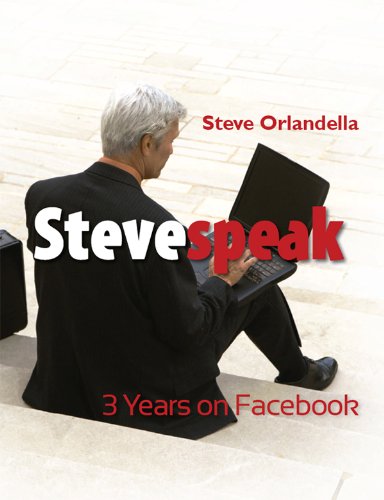
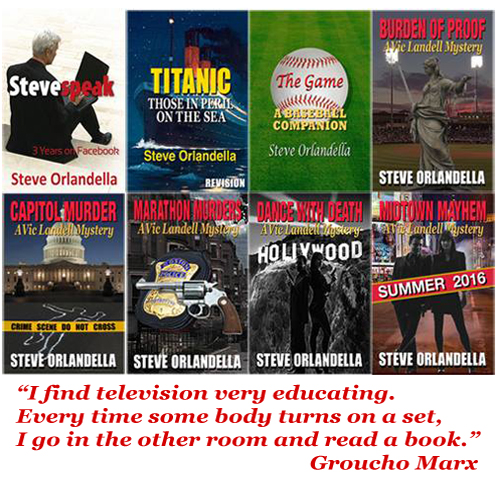
Steve’s Titanic, The Game, and five Vic Landell mysteries are perfect for public libraries.  Even Stevespeak, 3 Years on Facebook

This is what Smashwords has to say about it: 

“1. HOW TO MARKET INDIE EBOOKS TO LIBRARIES

At Smashwords, we love libraries, which explains why over the last few years we’ve built out an incredible library ebook distribution network to OverDrive, Baker & Taylor Axis 360, Odilo, CloudLibrary, and Gardners.

Public libraries are engines of book discovery. Millions of readers discover their new favorite authors at public libraries, and then go on to purchase other books by the same authors at retail.

If you want to sell more ebooks at retail, sell more ebooks to libraries.

In Episode 6 of the Smart Author Podcast, out today, you’ll learn how to sell more ebooks to libraries. You’ll learn how librarians discover, curate, purchase, and manage ebooks. You’ll learn how, when, and where to contact librarians so you’re a valued resource and not a nuisance.

You’ll learn six marketing tips you can put to use today.

We hope you’re enjoying the Smart Author Podcast. The feedback from authors and publishers around the world has been gratifying. We’re so pleased to make this quality best practices knowledge available for free to authors everywhere, and in such an accessible and convenient format.

If you’re enjoying the Smart Author Podcast, please share it with a friend!

Coming up next Friday, November 17, is an extra special Episode 7 on the “2017 Smashwords Survey.” Be sure to subscribe today at Apple Podcasts or your favorite podcast source listed below so you can be the first to hear it. Mark will share new, never-before-released data.

Where to Listen and Subscribe:

Supplemental resources:

You’ll find edited transcripts of each episode at our Smart Author hub page at Smashwords.

Join us at Facebook at the official Smart Author Facebook Page where you can discuss each episode with fellow listeners, or pose questions following each episode.

If you enjoy the episodes, please share with friend!

Enjoy!

2. HELPFUL RESOURCES

Thanks for choosing Smashwords for your ebook publishing and distribution.

When you distribute with Smashwords, you’re directly supporting our ability to create exciting new tools and opportunities for you.

Thanks,

The Smashwords Team”

Best, Jay
FullSizeRender

#SmartAuthor WRITE THAT BOOK!! JUST DO IT!!

#smartauthor  I started writing in 2012. Well, that is not really true. I started writing when I was a little girl.  The first “Diary” I have is dated 1949.  I wanted to record things – thoughts, secrets, events. I want to spend time with my best friend – ME. 

IMG_9937IMG_9938

During the day, I “behaved” – at the table, to the neighbors, at school, to relatives, to shopkeepers, to salesladies, to Sunday School teachers, to the Preacher.  Ugh. I started writing before 1949.  Over the years, I wrote journals, poems, plays, lyrics, research papers, critiques, knowing “one day” I would write books. 

Well, thanks to Mark Coker, Lee Goldberg, and Derek Haas, “one day” arrived in 2012, at a Writers Guild of America workshop in Los Angeles.  The topic for discussion was self-publishing, eBooks, and subsequent legal considerations. I was legal counsel (copyright and publication issues) on the Panel.  The speakers were dynamic. The atmosphere and interest in that room was inspiring. I came home and began to self-publish.  My first project was the publication of my work, “The Origins of George Bernard Shaw’s Life Force Philosophy”. It was my thesis I wrote for my Masters Degree in Drama at the University of Georgia. It got attention at the University for a short period of time and was used as a textbook in How to Write a Thesis by a University professor.  It was a perfect “let’s see if I can really do this” project.  After that, I published two journals – which were  awkward, learning experiences.  Then, I published “Janet Tallulah”, “Moments in Time”, “Capturing Beauty”, and “JAYSPEAK on the Cote d’Azur”.  The George Bernard Shaw book and “Janet Tallulah” are both published on Smashwords. All of my books are published on amazon.com. I have unpublished two of the Journals for further editing.  I am currently working on my next journal, working title “My Best Friend”.  

Since 2012, friends and strangers have asked me about self-publishing and eBooks.  Everyone seems to have projects, plays, novels, or writings they want to publish but don’t follow through.  Do it. It is easy.  And, now, Mark Coker will help you.  His podcasts for writers are excellent.  Take a look.  

  1. SMART AUTHOR PODCAST– FIRST FIVE EPISODES AVAILABLE NOW!

Hosted by Smashwords founder Mark Coker, The Smart Author Podcast guides writers step-by-step from the very basics of ebook publishing to more advanced topics. Think of it as a free masterclass in ebook publishing best practices.  If you’ve never had the opportunity to attend one of Mark’s recent classes at a writer’s conference, now’s your chance to do it from the comfort of your own home or car.

Where to Listen and Subscribe:

Episodes CURRENTLY RELEASED (we recommend listening in sequential order):

  • 7 Trends Shaping the Future of Authorship – learn seven trends shaping your future as an author.
  • Introduction to Ebook Publishing – learn the basics of ebook publishing.
  • 16 Bestseller Secrets – learn how to make your book more discoverable, more desirable and more enjoyable to readers.
  • How to Sell More Ebooks with Preorders – learn how 12% of Smashwords authors are using preorders to vacuum up over 50% of the sales, and learn how you can put preorders to use today to make your next release more successful.
  • Working with Beta Readers
  • 11/10 – Marketing to Libraries
  • 11/17 – Smashwords Survey 2017
  • 11/24 – The Art of Delusion (How to keep writing despite inevitable challenges)

Supplemental Links:

Following the release of each episode, we’ll post supplemental links and resources along with edited transcripts at our Smart Author hub page at Smashwords. The full transcripts for the first four episodes are up now!

Join us on Facebook at the official Smart Author Facebook Page where you can discuss each episode with fellow listeners, or pose questions following each episode.

Please take a moment to subscribe at your favorite podcast service so you don’t miss any episodes!

If you enjoy the episodes, please share with friend!

Enjoy!

  1. JOIN THE ANNUAL SMASHWORDS NANOWRIMO PROMO

National Novel Writing Month (NaNoWriMo) kicks off November 1.

Each month, thousands of writers around the world take on the challenge to write a 50,000 word novel in 30 days.

If you’re participating in NaNoWriMo, join the Smashwords NaNoWriMo Promo! For the entire month of November, we’re showcasing the works in progress of Smashwords authors in a special NaNoWriMo Promo catalog on the Smashwords home page.

To join our promotional catalog and gain more exposure to readers, starting November 1 you can upload your WIP to a special NaNoWriMo version of the Smashwords publish page, and then as you make progress, just visit to your Smashwords Dashboard, click “upload new version,” and then your book and your word count progress will update on our NaNoWriMo Promo page.

More information at https://www.smashwords.com/about/nanowrimo

  1. HELPFUL RESOURCES


My first book on Smashwords  #smartauthor   :

GBS Life Force Cover

https://www.smashwords.com/books/view/152348

My Second book on Smashwords #smartauthor  :


Janet Tallulah cover2

https://www.smashwords.com/books/view/269445

All of my Books are now on smashwords.com, including the latest “JAYSPEAK on the Cote d’Azur” #smartauthor :

jaywmacintosh_a1 (1)Journal-1 Cover 3DJournal-2 CoverCB-Cover-2Moments_In_Time_Cover_for_Kindle

Best, Jay
2350_52413954139_7287_n

POETRY

| WRITTEN BY KRAGE

Poetry Pop Poetry Blog

Put a pop of poetry in your day!

Rattle: Poetry

… without pretension since 1995.

Living Poetry

A group of poets and poetry readers.

Poetry Blog

I write poetry to express what's on my mind or how I feel

Poetry For Healing

Finding Your Words

New Zealand Poetry Society

Supporting and promoting poets and poetry in New Zealand

You And Poetry

Dear Stranger

Poetry Breakfast

Serving a little poetic nourishment Monday thru Friday and featuring a Short Play Saturday Matinee to read.

Poetry Academe

Your sole poetry school

Morning Star Poetry

Light shall shine out of darkness!

DAYS OF OUR LIVES

The days of our lives

JAYSPEAK

Welcome to My World!

WORDKET

-Chase the Stories

RL WEB

MAKING LIFE BETTER

Chris Rogers The Actor
SAG-AFTRA Actor, WordPress Presenter, & Public Speaker